

Permanent Nerve Block for Back Pain: Understanding the Procedure
A Permanent nerve block for back pain is a procedure that aims to deaden pain signals that travel from the spine to the brain. For those suffering from chronic back pain that has proven unresponsive to physical therapy, drugs, or injections, this option may appear to be a breakthrough.
Chronic back pain can be severe. It can disturb sleep, hinder work, hinder sports, and even make such routine acts as sitting or driving difficult. For pain that does not respond to conservative approaches, interventional pain management options might be suggested. The technique behind any long-term nerve block for back pain involves arresting the functioning of the relevant nerves, rather than simply anesthetizing them, and, ideally, doing so indefinitely.
This is usually done by radiofrequency ablation (RFA) or other neurolytic methods. A specialized needle applies a controlled amount of heat or chemicals to the nerve tissue to prevent it from transmitting pain messages. And often, for many patients, it‘s extremely effective.
Note, however, that “permanent” does not necessarily mean for a lifetime. Sometimes nerves grow back over a period of time. Nevertheless, people may find their pain relieved for a period of months or even years.
If living with chronic back pain has become a part of your daily routine, finding out more about a permanent nerve block for back pain could lead you to a ray of hope.
How a Permanent Nerve Block for Back Pain Is Performed

In essence, a permanent nerve block is designed to interrupt the communication between any injured structures in the spine and the brain. So, for example, a joint or disc in the spine may be inflamed or damaged, and the peripheral nerves surrounding it send signals up through the back.
In this process, the doctor first determines the nerve responsible by testing by means of an initial diagnostic nerve block. If the pain is reliably dulled, a more permanent nerve block for back pain can be made under the guidance of fluoroscopy or ultrasound.
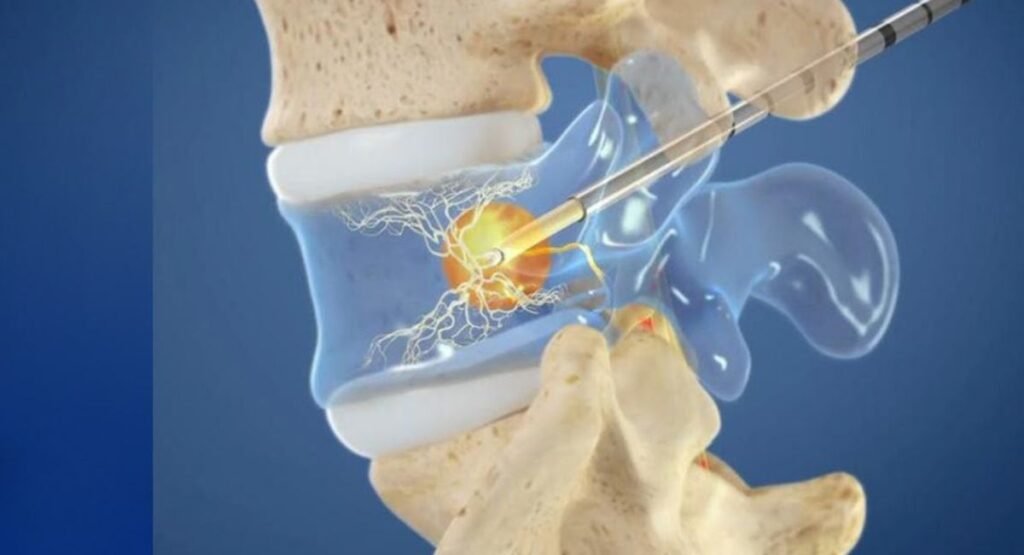
The most common method is radiofrequency ablation. Here’s how it typically works:
- The patient is under local anesthesia.
- A thin needle is passed close to the target nerve.
- The nerve tissue is heated using radiofrequency energy.
- The heat stops the nerve from transmitting pain.
Once the nerve is essentially “shut down”, the sensation of pain drops significantly. A knock, on effect of this technique, is that it doesn’t slow down the muscles as the motor nerve is not affected.
Patients are usually discharged on the same day. There might be mild pain and soreness at the site of injection, but the overall results are rapid. Pain fluctuations were observed within a matter of days to weeks.
Knowing how long a permanent nerve block for back pain lasts will allow patients to get the right treatment for them.
Conditions Treated with Permanent Nerve Block for Back Pain
A permanent nerve block for back pain is also not a cure. This option should be offered only in certain chronic conditions, which commonly involve ongoing nerve, mediated pain.
Common conditions include:
- Facet joint arthritis
- Degenerative disc disease
- Chronic lower back pain
- Sacroiliac joint dysfunction
- Post-surgical back pain
- Spinal stenosis
Facet joint pain is one of the most common indications for this procedure. These are small joints that connect each vertebra and permit movement of the spine. When inflamed, they can cause a deep aching pain which worsens with twisting or bending.
A fixed nerve block may be used for persistent back pain if the nonoperative treatments (physical therapy, anti-inflammatory medications, chiropractic, and steroid injections) do not result in lasting improvements.
Usually, the first procedure undertaken is a temporary, diagnostic nerve block. If the patient gets good immediate relief, in the short term, then the pain is coming from that nerve. A permanent nerve block for back pain would then be indicated.
This logical approach guarantees the technique will be performed at the right pain generator and thus gives the best chance of success.
Benefits of Permanent Nerve Block for Back Pain

There are benefits of a permanent nerve block in the management of a patient with chronic back pain. The most obvious benefit, of course, is the need for definitive pain relief. Many claim a significant improvement in the quality of life:
Key benefits include:
- Dependence on pain medications: Possible less dependence on pain medications
- Improved mobility
- Enhanced sleep quality
- Enhanced capacity for physical therapy participation
- Swift resumption of day-to-day activities
Another difference, however, is that a permanent nerve block for back pain is a minor operation, unlike major back surgery. The operation involves no large cuts, and the time to recover from the procedure is minimal. For patients who are not ideal candidates for surgery, this may prove a better alternative.
Accuracy is also an advantage. New imaging equipment enables doctors to pinpoint specific nerves accurately. This minimizes the potential of damage to the neighboring tissues.
As chronic pain sufferers have to endure it every day, the feeling of no pain can also be as cathartic as the lack of pain itself. Chronic pain sufferers can experience anxiety, depression, and social withdrawal. Relief from pain intensity via a permanent nerve block can bring sufferers back to independence and confidence.
While some individuals do not see any improvement or see only insignificant changes, their overall improvement tends to be significant and long-lasting.
What are the Risks and Side Effects of the Permanent Nerve Block for Back Pain
All medical procedures have risks, and the permanent nerve block for back pain is no exception. While complications are rare, it is useful to be aware of possible side effects.
Common mild side effects include:
- Temporary bruise at the injection site
- Mild swelling or bruising
- Temporary numbness
Rare but more serious risks may include:
- Infection
- Bleeding
- Nerve damage
- Allergic reaction to an anesthetic
A pain flare may occur in some patients, a temporary increase in pain following the procedure. This typically settles down after a few days.
Nerves are also capable of growing back, so if this occurs, the pain can return. When this happens, the procedure can sometimes be repeated.
A comprehensive consultation with a pain specialist can assess the suitability of a permanent nerve block for back pain in the context of a person‘s medical condition and medical history.
Recovery After Permanent Nerve Block for Back Pain
Recovery from a permanent nerve block for back pain is usually simple. Most nerve blocks are done on an outpatient basis, allowing the patient to go home the same day.
You might experience a slight discomfort or numbness immediately after treatment. Use ice packs and rest for 24 to 48 hours until pain subsides.
Most patients experience a slow resolution over several days. Complete pain resolution may take up to 2 weeks, as the inflammatory response and nerve disturbance resolve.
Doctors often recommend:
- Gentle stretching
- Return to normal activities in an incremental manner
- Continued physical therapy
- Avoiding heavy lifting initially
A Nerve block to relieve chronic back pain does not have much downtime. This is appealing in comparison to spinal surgery, where the user may have to take several weeks or months to recover.
Symptom monitoring and follow-up visits guarantee the best outcome.
Which Back Pain Sufferers Would Benefit from a Long-lasting Block?

Not all patients with back pain will be candidates for a permanent nerve block for back pain. Patients who are the best candidates have chronic back pain, over 3 months in duration, and have exhausted conservative management.
You may be a good candidate if:
- Imaging confirms facet joint or nerve-related pain
- Temporary diagnostic blocks relieved pain
- You are not suitable for operation.
- Pain has a profound impact on daily life
The patients who might not be eligible would include those with active infections or bleeding diatheses, or neurological diseases.
A thorough assessment, such as history, imaging, and physical exam, must precede any permanent nerve block for back pain.
Alternatives to Permanent Nerve Block for Back Pain
Permanent nerve block is just one of a variety of interventional pain management options. Other alternatives are:
- Physical therapy
- Epidural steroid injections
- Spinal cord stimulation
- Medication management
- Surgical intervention
Every option has potential benefits and risks, and for some patients, combination therapy yields the best outcome.
Ensuring a healthcare professional discusses all options available for patients allows for personalized care.
FAQs About Permanent Nerve Block for Back Pain
1. How long does a permanent nerve block for back painlast?
The pain relief provided by a permanent nerve block can range from a few months to a number of years. This is directly related to the rate at which the neurons regenerate and the individual‘s responsiveness.
2. How painful is the nerve block that is used to treat the back pain?
It is performed under local anesthesia, and most patients find it to be relatively painless.
3. Is a permanent nerve block for back pain repeatable?
Yes, it can be repeated if the nerves regrow and the pain recurs
4. Will the permanent nerve block for back pain eliminate the root cause of the pain?
No, but it is an effective way of numbing out the pain by stopping the nerve signals.
5. What is the time frame for resumption of all normal activities following a permanent nerve block for the treatment of back pain?
Most patients are able to resume light activities within 1 to 2 days following the procedure with physician approval.
Conclusion: Should you opt for a permanent nerve block for your back pain?
A permanent nerve block holds promise for those suffering from chronic back pain. If successful, this technique can halt pain transmission at the spinal level and provide patients with relief.
It is not a panacea, and results are variable. But for the carefully selected patient, it offers long-term relief with comparatively low risk.
If daily activities are restricted by chronic back pain and other treatments haven‘t worked, then the pain management physician may recommend a long-lasting nerve block for back pain.
Leave a Reply