
Female Lower Back Pain: Understanding the Basics
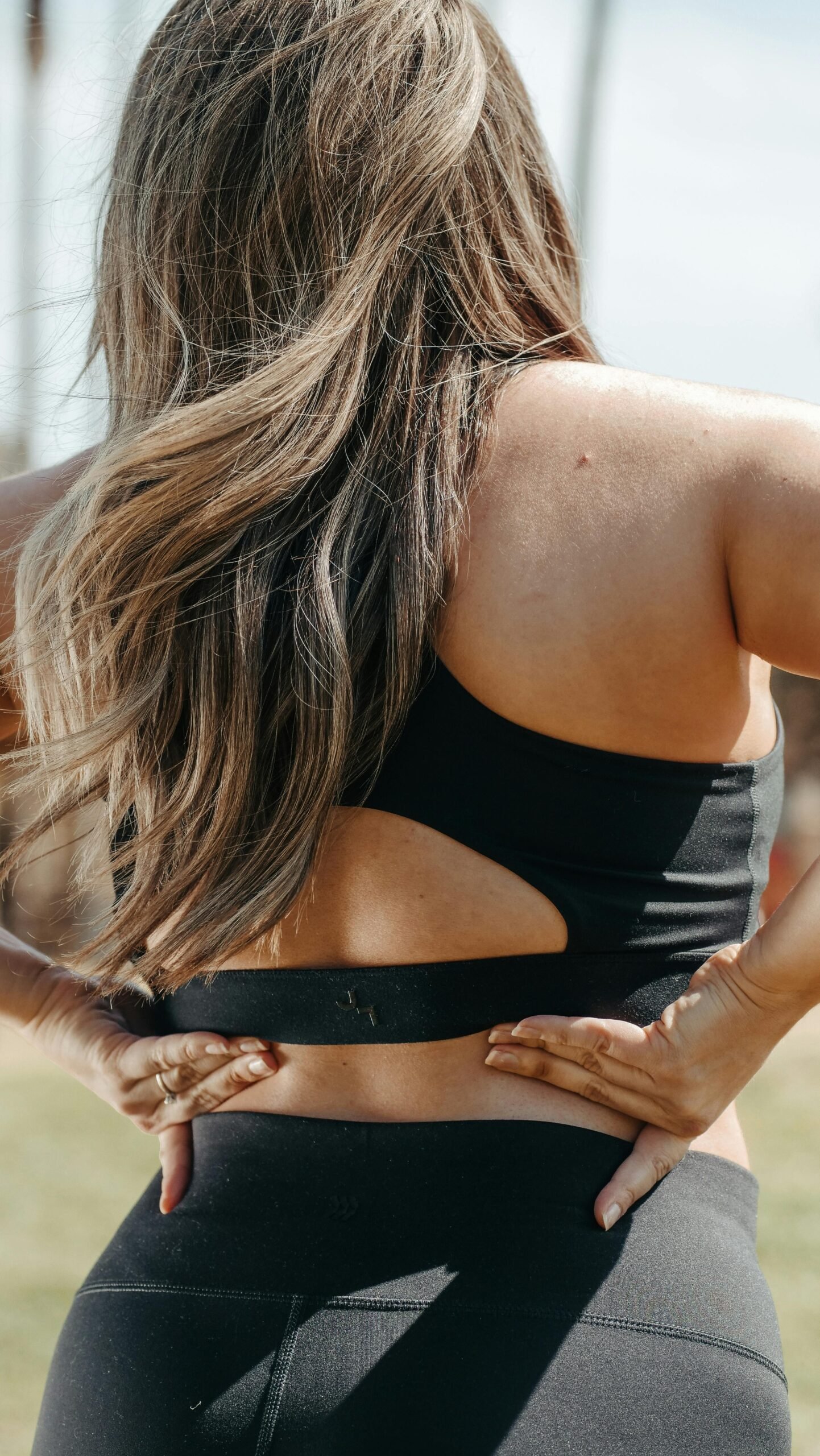
Female lower back pain is one of those health problems that many women simply accept as ‘normal’. However, the fact is that lower back pain is very common, but it shouldn‘t be assumed that it is normal to have it. It can be experienced in dull pain, shooting sensations, or even in the form of stiffness, making it difficult to carry out any movement.
What makes female lower back pain different from the rest is how rooted it is in the female self. The female hormones, organs, bones, and emotional stress all factor into pain. Women have, unlike men, the benefit of fluctuation in hormones, which makes the joints less tight and the muscles more tense, and the nerves become more sensitive. Lifestyle factors such as sitting, bad posture, and tight muscles will only exacerbate the situation.
Lower back pain is not just about the spine. It is about the body‘s overall function. When one part is stretched or under stress, the lower back often suffers. Recognizing this is the key to correction. The good news is that once you understand what contributes to female lower back pain, eliminating it is much easier to do.
Female Lower Back Pain and Common Causes in Daily Life
Common everyday activities can result in lower back pain in females that often goes unnoticed. Sitting in front of a computer or television for long periods, constantly looking down at a phone, long periods when preparing food in the kitchen, or carrying large, heavy handbags on one shoulder can all put silent pressure on the female lower back. This can cause muscles to become tight, weak, or contribute to existing imbalance as the pain persists.
One significant cause is how you sit. Slumping in a chair or at a desk causes the joints in the spine to be pinched together, leading to strained muscles. Women who wear shoes without arch support also affect their body balance and strain the muscles in the lower back. Falling asleep in the wrong position can also cause lower back pain if the bed does not allow a healthy curve to the spine.
An additional key component often not considered is the lack of movement. We are meant to be active and work our bodies, but our lifestyles often consist of sitting and being inactive. Muscles weaken through non-use, which directly affects your lower back. Combine that with general fatigue and stress, and pain is hard to avoid.
The main point here is obvious, however: lower back pain in women is a gradual occurrence. It is not the result of one serious error but of a series of minor errors that become ingrained in daily routines.
Female Lower Back Pain Related to Hormonal Changes
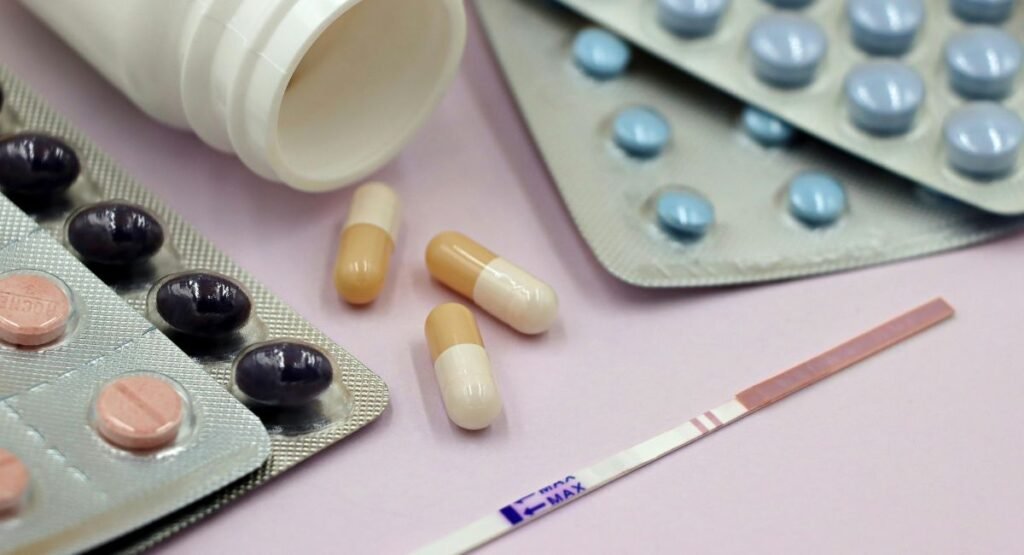
An important factor that can be the cause of pain in females’ lower backs is hormonal fluctuations. During the menstrual cycle, the level of estrogen and progesterone fluctates which influences muscles, joints, and ligaments. Just before a period, the relaxation of ligaments takes place, which leads to loss of support in the back and pain.
Happens more during pregnancy with female lower back pain. As the baby gets bigger, the center of gravity of the woman changes, putting more stress on the lower back. The hormone relaxin resists the ligaments, causing more strain due to the forward shift in the back. This can be increased if posture and muscle strength are not preserved.
It is also noteworthy that menopause can induce lower back pain in women. The decline in estrogen is thought to be responsible for causing a loss in bone density and muscle stiffness. Thus, the chronic pain associated with menopause can come as a surprise to many women.
Knowing that this link exists should help a woman stop blaming herself and start working with her body, rather than fighting it.
Female Lower Back Pain and Gynecological Conditions
Lower back pain in women is not always due to musculoskeletal or skeletal problems. The pain may not even originate from the area. Diseases of the female reproductive system, such as endometriosis, fibroids, ovarian cysts, and pelvic inflammatory disease, may all as well refer pain to the lower back.
Other symptoms include: with endometriosis, abnormal tissue grows outside the uterus and resembles the uterine lining, causing a great deal of pain in the pelvis, which radiates to the lower back. The fibroids exert pressure on nerves and muscles, causing aches or a feeling of pressure.
What complicates this is that women inferring gynecological causes of lower back pain often mimic muscular pain. Stretching or resting may be of little benefit. Pain may increase with periods or ovulation, and this is a very useful sign.
Seek medical advice if experiencing chronic, severe, or recurring pain with irregular and/or painful periods or pelvic pain. Getting to the root of the problem usually relieves most of the pain.
Female Lower Back Pain and Muscle or Spine Issues
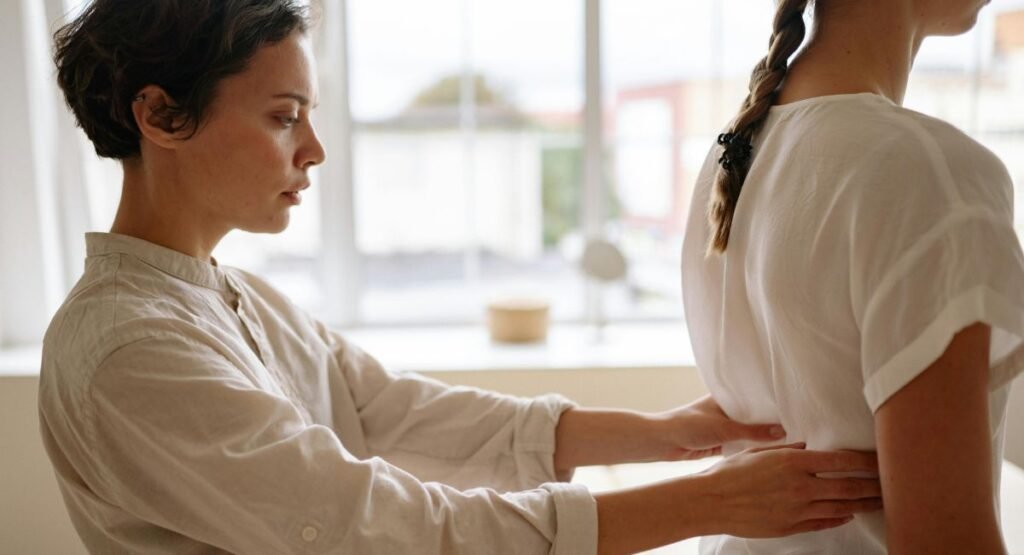
Lower back pain is often musculoskeletal in origin in females. Muscle strains are very common; they tend to occur after lifting heavy objects or jerking movements. Inadequate strength in the muscles of the core results in excessive strain in the lower back.
Problems with the spine, including herniated disc, sciatica, or lumbar lordosis, can also be the cause of women’s lower back pain. Women’s hips tend to be wider than men’s, meaning there are more problems with the way the whole spine is aligned.
Even small imbalances can result in months or years of chronic pain if not corrected. Tight hip flexors, weak glutes, and lack of core stability are some of the culprits. The lower back acts as the “shock absorber” for everything else, and it finally says “enough!”
The good news? Muscular and spinal complications of female lower back pain show good evidence of responding to specific exercises and simple treatment.
Female Lower Back Pain and Stress or Emotional Health
Lower back pain can also be emotional. Stress has an uncanny way of causing pain. When excessive stress is present, muscles tense up, causing pain and decreased.
Increased pain may result from emotional stress and anxiety. Nervous system sensitivity increases, and mild pains may feel stronger. Most women notice an increase in pain in their lower back during emotionally stressful times.
Of course, there‘s the mind-body connection. Emotional stress has a way of showing up physically. Having too much to do, suppressing feelings, and getting overwhelmed can actually seem to weigh heavily on the lower back.
Controlling stress using relaxation strategies, mindfulness, and emotional support can be one of the simple ways to help decrease female LBP.
Female Lower Back Pain: Diagnosed. When Should You See a Doctor?

Lower back pain in women will not always need a medical referral; there are certain indicators that should be attended to. Pain persisting for several weeks, Pain increasing with time, or pain affecting sleep are indications. Numbness, tingling, weakness, or pain down the leg is an indication.
Female lower back pain is diagnosed by doctors through physical examination, history, and, if necessary, through X-ray, ultrasound, or MRI. Depending on the symptoms, doctors can also check out the hormonal or gynecological causes.
Early diagnosis prevents small issues from becoming long-term problems. Getting help isn‘t a weakness, it‘s up, letting your health for the future.
Female Lower Back Pain Treatment Options
Treatment for female lower back pain varies with the underlying problem. Medication, pain relievers, muscle relaxants, and treatment of osteoporosis using hormone adjustments have been found effective. Correction of a nutritional deficiency, such as an inadequate intake of calcium or vitamin D, also proves beneficial.
Many women also use alternative therapies like acupuncture, chiropractic, massage, and yoga. These are usually directed at relaxation, circulation, and alignment.
The most useful treatment programs are individualized. Female lower back pain is not one size fits all, and learning to listen to your body is important.
Female Lower Back Pain Exercises and Home Remedies
Modification of activity can also help. Movement helps reduce stiffness and encourages healing and strengthening. Gentle exercises to stretch and strengthen muscles around the lower back and increase flexibility can turn progress in the right direction. Basic exercises can make a huge difference.
We also use home remedies. Heat packs relax muscles, and cold packs combat inflammation. A good diet, drinking plenty of fluids, and getting enough sleep aid healing.
Consistency is more important than intensity. Small daily efforts can finally relieve female lower back pain permanently.
Female Lower Back Pain Prevention Tips
Prevention of women’s lower back pain is much easier than treating it. These basic habits include good habits, ergonomic environment, comfortable footwear for the feet, and constant movement. Course strength and flexibility is long term support of the back.
Hearing the early warning signs. Pain is a cry for help from the body, not to be ignored.
Prevention enables women to remain active, pain-free, and confident.
Female Lower Back Pain and Quality of Life
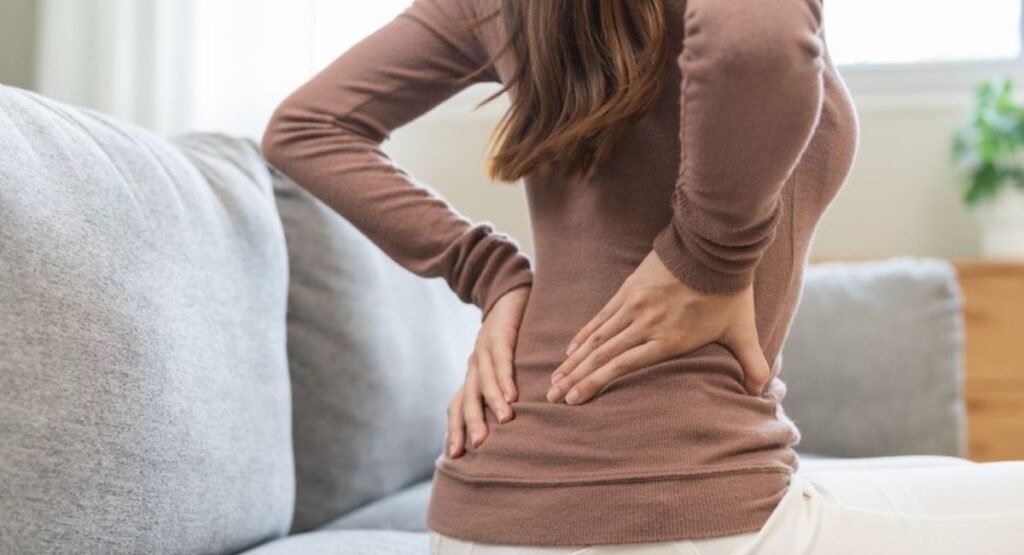
For female low back pain, it‘s more than the body; it even affects your work, relationship, sleep, and self-esteem. Constant pain can be draining and strip away your ability to enjoy the simple moments.
Road to recovery can be loaded with patience, self, and state of mind changes. However, with the proper method, women can take control back and walk freely and pain-free.
Female Lower Back Pain FAQs
- Female lower back pain: Is it normal during periods?
Yes, hormones can cause short-term pain, but acutely severe pain should be reviewed. - Female lower back pain: Can stress really cause it?
Definitely. Stress causes muscle tension and pain sensitivity. - Female lower back pain, how long is too long?
Pain that persists for more than two or three weeks should be referred to a doctor. - Female lower back pain: Are exercises safe?
Gentle guided exercises are usually safe and very helpful. - Can Female lower back pain, can it be completely prevented?
Habits are never guaranteed, but healthy habits certainly lower the risk.
Female Lower Back Pain Conclusion
Female lower back pain can be intricate, but it doesn‘t have to be debilitating. With the right knowledge, treatment, and lifestyle adjustments, individuals can find relief. No woman should have to suffer from lower back pain, so take control of your health now.
Leave a Reply