
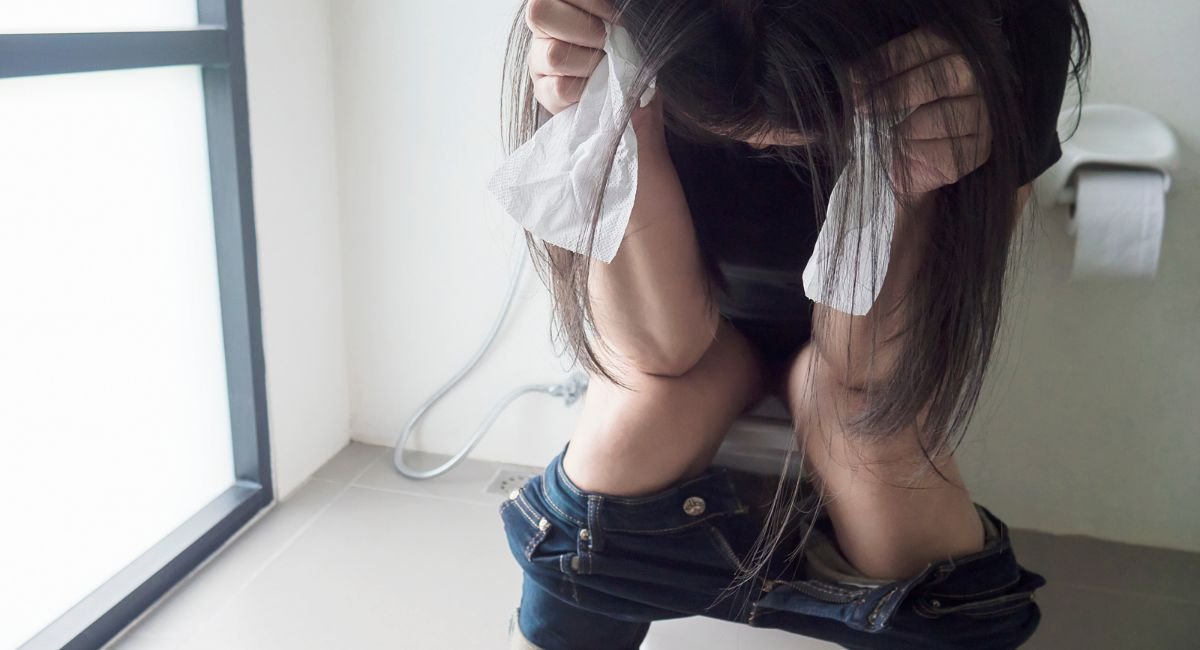
Constipation and Back Pain: Understanding the Connection
Back pain and constipation often arise simultaneously more frequently than most people expect. Constipation is most commonly linked with gas, bloating and hard, dry stool; however, it can also lead to pressure and pain in the lower back. This is because the digestive system and lower back are anatomically situated close together and are innervated by the same nerve pathways.
Constipation is having infrequent or difficult-to-pass stools. This may be because the stool moves slowly through the bowel, or because there is not enough fluid in the diet. Other reasons may be a lack of fibre in the diet or conscious or subconscious lifestyle choices, such as a sedentary lifestyle. When feces sit in the colon, it causes pressure in the abdominal and pelvic areas.
This downward pressure can radiate toward the lower back and cause pain or a stiff feeling. In some instances, people with back pain and constipation report the feeling as a dull ache or heaviness experienced in the lower back.
Constipation and backache can be self-limiting and will ease up when normal bowel movements are restored; continuing symptoms could suggest an underlying medical or digestive disorder.
Knowing how these two symptoms relate to each other can enable people to recognise good strategies to deal with these symptoms.
Constipation and Back Pain Caused by Pressure in the Colon
Typically, constipation and back pain are signs that you have a buildup of stool within the colon, which is putting additional pressure on your abdomen. The colon runs adjacent to the lower back, and when stool enlarges, it presses on muscles and nerves, which cause pain and swelling.
This can lead to a sensation of discomfort that radiates down toward the lower back. For some people, it is described as an ache that is present, and in some cases, worsened by sitting or leaning forward.
Other symptoms that these people could also experience include:
- Abdominal bloating
- Difficulty passing stool
- A sensation of not being empty after a bowel movement.
- Cramping in the abdomen
If the colon becomes too full, the body sometimes responds by clenching the muscles outside the colon, including the muscles around the lower back. This tension in the muscles can make back pain more prominent.
When the bowel movements take place and pressure in the colon decreases, the bottom pain usually also relieves.
Constipation and Back Pain From Straining During Bowel Movements
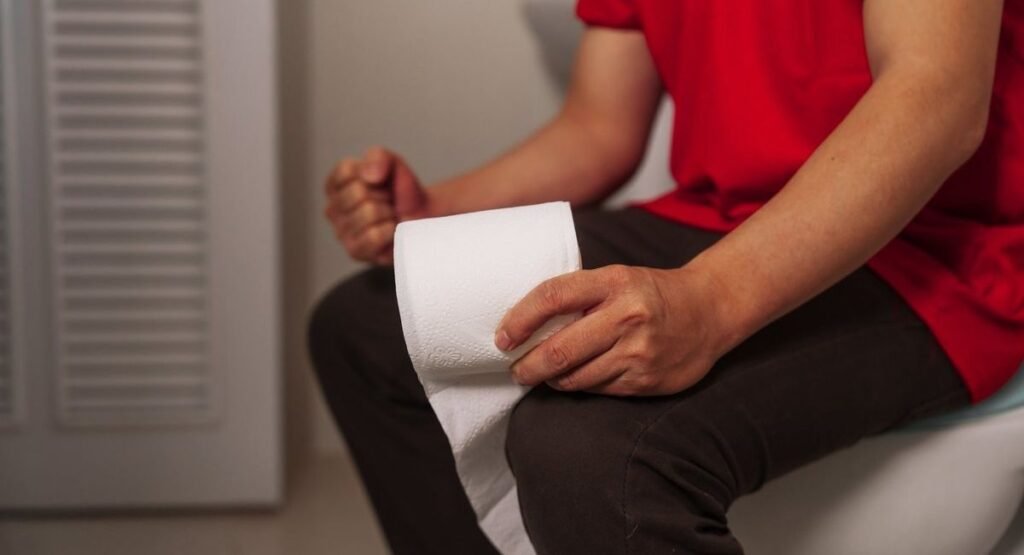
Repeated bearing down when passing hard stool may lead to back pain and constipation. Difficult stool may make one push hard to pass. Furthermore, this action compresses the abdominal and lumbar muscles.
Repeated straining may cause pinching or a small strain to the muscles of the lower back. The muscles may also be overloaded and become sore or tired.
It may also place more strain on the back and the muscles of the pelvic floor. This additional pressure on the back may be part of the reason pain occurs. Indeed, in some instances, those with the symptoms of constipation and back pain will report that the pain gets worse after trying to empty their bowels.
Less strain will be needed to prevent constipation. Increasing fibre intake, keeping fluids up and regularising bowels can be beneficial for the back and the gut.
Constipation and Back Pain Due to Gas and Bloating
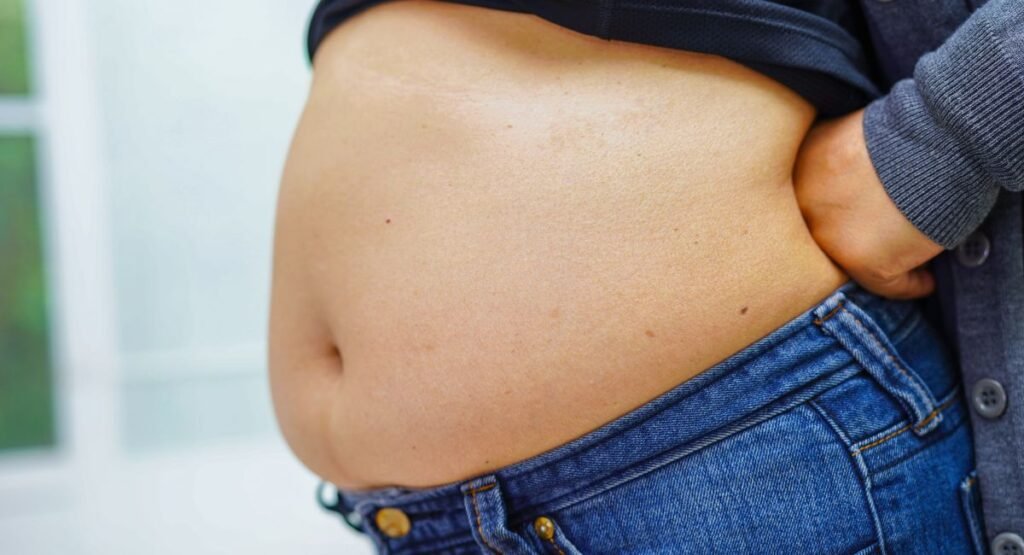
Constipation and back pain are associated with gas and bloating. Digestion slows, causing gas to become trapped in the colon
The fat buildup can be stretched from the intestinal walls and increase pressure on the front of the abdominal cavity. Due to the fact that the intestines are on the lower part of the back, they may put pressure on the back.
People experiencing constipation and back pain related to gas often feel:
- Abdominal fullness
- Sharp or cramping pain
- Temporary back discomfort
- Relief after passing gas
The gas-related back pain is usually relieved and can travel to different spots. When the trapped gas is released, the back pain should disappear.
Changes to the diet, including avoiding foods that produce excessive gas and eating more frequently, smaller meals, may relieve symptoms.
Constipation and Back Pain in Severe Fecal Impaction
Constipation and back pain can occasionally be symptoms of a more serious condition called impacted faeces. This is when a large firm block of stool gets stuck in the rectum or colon and cannot be emptied naturally.
When someone has a fecal impaction, their lower abdominal and pelvic regions may be under severe pressure. This pressure can radiate to the back and cause pain.
Symptoms of severe constipation and back pain due to fecal impaction may include:
- Severe abdominal discomfort
- Inability to pass stool
- Nausea or vomiting
- Loss of appetite
Fecal impaction. This is an obstinate constipation that can be sometimes difficult to dislodge and usually needs a doctor to intervene using medicines or medical procedures to evacuate the stool.
Prompt treatment can avoid complications and relieve pressure on other structures.
Constipation and Back Pain Linked to Lifestyle Factors
Constipation and back pain may also be influenced by certain lifestyle habits. Modern lifestyles often involve long hours of sitting, limited physical activity, and diets low in fibre.
These factors can slow digestion and increase the risk of constipation. At the same time, prolonged sitting may strain the muscles and joints in the lower back.
When these factors occur together, people may experience constipation and back pain simultaneously.
Common lifestyle contributors include:
- Low fibre diet
- Insufficient water intake
- Lack of exercise
- Prolonged sitting
Making simple lifestyle changes can often improve both digestive health and back comfort.
Regular movement, balanced nutrition, and adequate hydration support healthy bowel function and reduce strain on the back.
Constipation and Back Pain During Pregnancy

Constipation and back pain frequently occur during pregnancy. Hormonal changes can slow digestion, making constipation more common. At the same time, the growing uterus places additional pressure on the lower back.
This combination may cause pregnant individuals to experience both digestive discomfort and back pain.
Constipation during pregnancy may also increase pelvic pressure, which can further affect the muscles supporting the spine.
Maintaining proper hydration, consuming fibre-rich foods, and engaging in gentle physical activity can help reduce constipation and back discomfort during pregnancy.
However, pregnant individuals should consult their healthcare provider before using any medications or supplements.
Constipation and Back Pain: When to See a Doctor
Constipation and back pain are usually temporary and improve with lifestyle changes. However, certain symptoms may indicate a more serious condition that requires medical attention.
You should seek medical care if constipation and back pain occur with:
- Severe or persistent pain
- Blood in the stool
- Unexplained weight loss
- Vomiting
- Inability to pass stool for several days
These symptoms may indicate underlying digestive disorders or other medical problems that require evaluation.
A healthcare provider can recommend appropriate tests and treatments to address the cause of symptoms.
Constipation and Back Pain: Treatment and Relief Options
Constipation and back pain can often be relieved by addressing the underlying digestive issue. Improving bowel habits is usually the most effective approach.
Helpful strategies include:
- Increasing fibre intake from fruits, vegetables, and whole grains
- Drinking plenty of water throughout the day
- Exercising regularly to stimulate digestion
- Establishing consistent bathroom routines
In some cases, doctors may recommend fibre supplements, stool softeners, or mild laxatives.
For back pain relief, gentle stretching, warm compresses, and maintaining good posture can help relax tight muscles.
Combining digestive care with back support often leads to noticeable improvement.
FAQs About Constipation and Back Pain
1. Can constipation cause lower back pain?
Yes, pressure from stool buildup in the colon can create discomfort in the lower back.
2. Why do constipation and back pain happen together?
The colon is located near the lower spine, so pressure and inflammation can affect nearby muscles and nerves.
3. Can severe constipation cause serious back pain?
Yes, severe constipation or fecal impaction may lead to persistent back discomfort.
4. How can I relieve constipation and back pain naturally?
Increasing fibre intake, drinking more water, and exercising regularly can help improve digestion.
5. When should I see a doctor for constipation and back pain?
Seek medical care if symptoms are severe, persistent, or accompanied by blood in the stool or vomiting.
Conclusion: Managing Constipation and Back Pain
Constipation and back pain can be closely connected due to pressure in the colon, muscle strain from straining, and lifestyle factors that affect digestion and posture. While these symptoms are often temporary, they can be uncomfortable and disruptive.
Fortunately, many cases improve with simple lifestyle adjustments such as increasing fibre intake, staying hydrated, and maintaining regular physical activity.
Understanding the connection between digestive health and back discomfort helps individuals recognise symptoms early and take steps to relieve them. If constipation and back pain persist or worsen, consulting a healthcare professional is essential for proper diagnosis and treatment.
Leave a Reply