

Waking up and experiencing stiffness or pain in your lower back can turn your whole day upside down before it even starts. If that‘s an all too familiar feeling, then your sleep position could be the problem. To wake up feeling good rather than feeling sore, selecting the best sleep position for lower back pain is crucial.
Your natural spine curve needs support, even when you‘re sleeping. If you sleep in a position that puts pressure on your lower back, this can result in your muscles, discs, and joints having to work harder over a period of time. And that‘s not good for your chronic pain. But just a few small changes can certainly help.
In this comprehensive guide, we will take a closer look at 1. The optimal sleep position for lower back pain and 2. How to set up your sleeping environment to get maximum benefit in the long run.
The optimal sleep position for lower back pain and the importance of proper positioning.
The best sleep position to help lower back pain is one that maintains your spine in a neutral position. This means your head, shoulders, hips, and spine are all aligned properly while you sleep. Any misalignment, even seemingly minor, will cause the muscles in your lower back to have to work harder overnight.
Picture your spine as a pile of building blocks. If a single block moves out of position, the others re-adjust so that it stays in line. Sleeping with bad posture causes this situation, so that your lumbar spine becomes uneven and inflamed. The most comfortable sleep position for lower back pain is one in which your spine remains straight and is without excessive strain.
Good alignment not only prevents pain, but will enhance your circulation and speed up muscle recovery too. For these reasons, selecting the most appropriate sleeping position is one of the easiest ways to relieve lower back pain.
Optimal sleep position for lower back pain: sleeping on your back
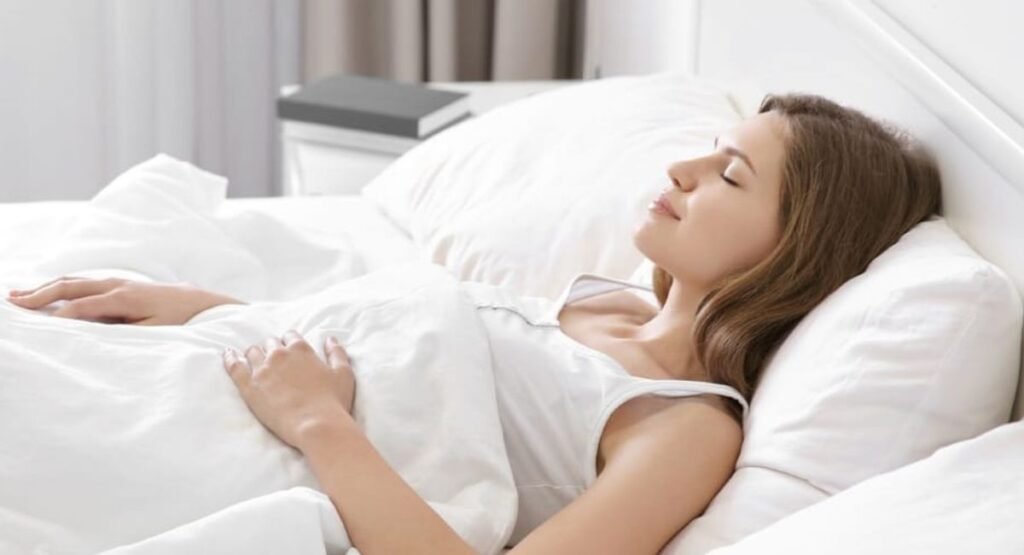
Sleeping on your back, when using a proper waist pillow, provides the best position for sleeping when you have low back pain. It is an ideal position as your weight is evenly spread out, offering the least amount of pressure points.
To provide additional support, keep a small pillow under your knees. It keeps the natural bend in your lower back and keeps it from following the contour of the mattress. Otherwise, your lower back flattens out unnaturally and causes more pain.
Back, slumbering may be the easiest for individuals who suffer from chronic lumbar pain. However, this sleeping position should be avoided by individuals who snore excessively or suffer from sleep apnea. In conclusion, despite adequate support, back sleeping remains one of the most favorable bed positions for low back pain for many.
Best sleep position for lower back pain: sleeping on your side
Sleep positions other than sitting and lying on your back are more common. Sleeping on your side with the pillow between your knees is a very effective sleep position for lower back pain. If practiced correctly, it takes some pressure off your spine.
Use a pillow between your knees to get the most out of the cushion. This application will keep the hip, spine, and head in the same sagittal plane as you rest. Without the pillow, the knee falling away from the pillow may cause rotation of the pressure on the lower back.
Try keeping your knees a little bent and your back straight, as this is the best sleep position for lower back pain. To make this position more comfortable, you might try hugging a pillow to keep your upper body from twisting.
Optimal Sleeping Position to Prevent Lower Back Pain and Using the Fetal Position

The fetal position (lying on your side, knees drawn toward your chest) is sometimes proffered as an alternative best sleep position for lower back pain, as it opens spinal spaces a little. Opening the spinal spaces removes pressure from the spinal discs.
But don’t overdo the bending either. Bending too much can put stress on the joints and cause breathing issues. A relaxed fetal posture with the appropriate pillow support can be very comforting for someone with a herniated disc or sciatica.
This is not a firm variation, but it is still an excellent sleep position for lower back pain and is ideal for side sleepers in search of more cushioning.
Optimal Sleep Position for lower back Pain and Positions to steer clear of
Not all sleeping positions meet the criteria of the best sleep position for lower back pain. Stomach sleeping is almost always the worst sleeping position for your lower back.
Stomach sleeping puts pressure on your neck by twisting it and causes a flattening of your natural spinal curve, which can put excess pressure on your lower back and cause pain to increase. If you struggle to stop doing this, then try putting a pillow underneath your pelvis to reduce the pressure somewhat.
Preventing bad sleep positions is just as significant as selecting the best sleep position for lower back pain.
Best Sleep Position for Lower Back Pain and Mattress Support
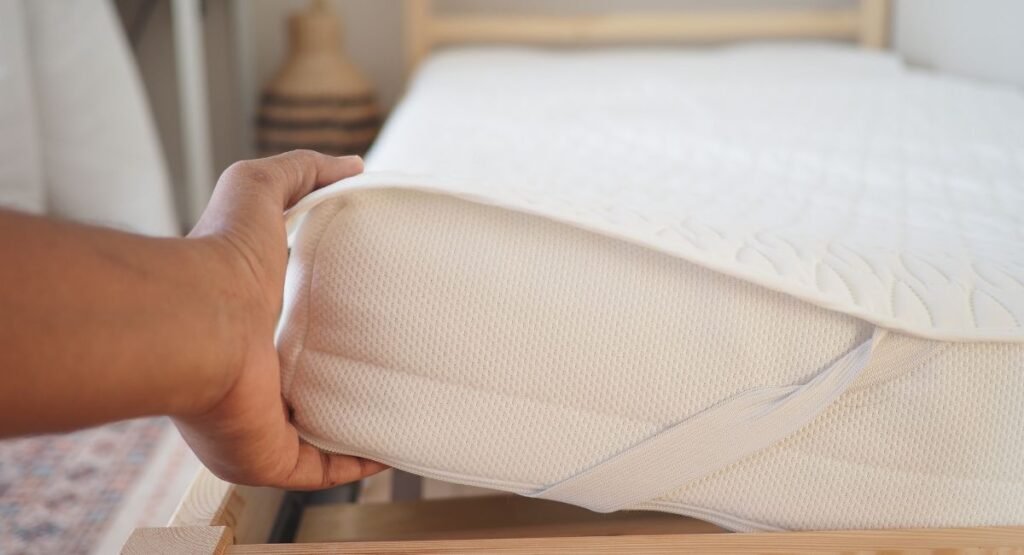
Proper sleep position is useless if you are sleeping on poor support, either your mattress is too soft, and you are leaving your joints to sink into the pillow that it creates, or it is too hard, provoking well-identified pressure points.
Medium, firm mattresses are generally an effective option, being plush enough to provide comfort but firm enough to give adequate support, provided that your mattress supports your profile and keeps your back straight.
Ensuring you have the best sleep position for the lower back, together with the appropriate mattress for lower back pain, can make a big difference.
Best Sleep Position for Lower Back Pain and Pillow Placement
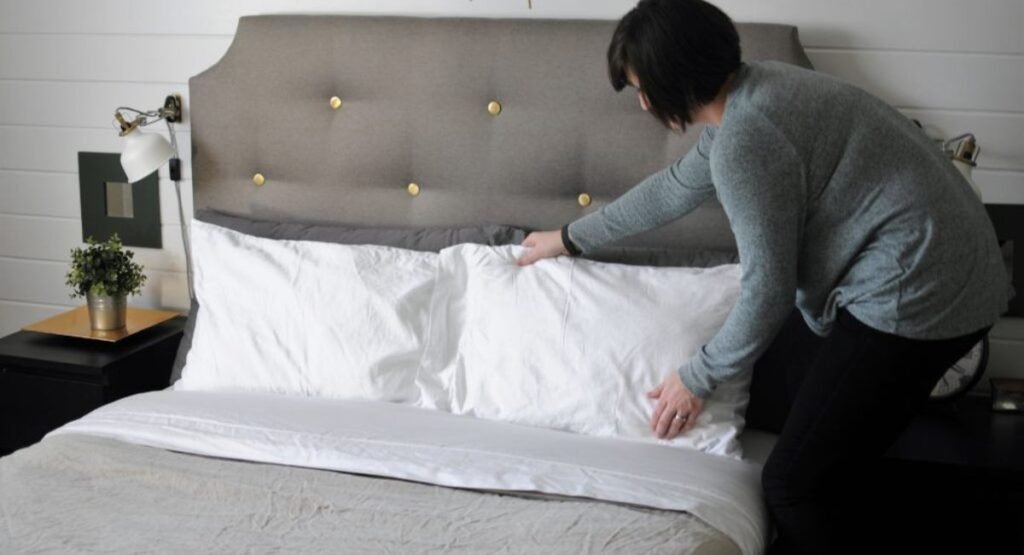
Pillows are also a factor in the best sleep position for lower back pain. The appropriate pillow will support the neck and keep it aligned with the rest of your spine.
Those who sleep on their back should go with a pillow that supports the hair and the line of the neck. On the other hand, side sleepers require a thicker pillow to fill the available space between their shoulder and head.
Adding strategic pillow placement further improves the best sleep position for LBP and also prevents any unnecessary loading that may lead to pain.
Best Sleep Position for Lower Back Pain and Sciatica Relief
And if you‘re suffering from sciatica, the right sleeping position to relieve lower back pain takes on added importance. Sciatica is caused by irritation of the sciatic nerve and pain as it travels down the leg.
The most comfortable position is often sleeping on your side with a pillow between your knees. Lying flat on your back with your knees supported can also decrease pressure on the nerves.
Adherence to optimal sleep position for the lower back can greatly decrease the number of flares and sleep disturbances.
Best Sleep Position for Lower Back Pain and Morning Stretching

Coupling the most suitable sleep position for LBP with gentle morning stretching can facilitate recovery. After sleeping for several hours, muscles will be tight from being still.
Basic stretches like knee, to, chest, or soft spinal twists also loosen up the joints and increase circulation. They are certainly great for following the best sleep position for lower back pain, and will leave you feeling good in the morning.
Best Sleep Position for Lower Back Pain and Lifestyle Habits

The Best sleeping position for lower back pain is important, but the habits during the day are of significance as well. Sitting for long periods, incorrect posture, and lax core muscles can negate whatever benefits sleeping can bring.
Exercise routinely, perform core strengthening exercises, and implement ergonomic adjustments, all of which promote the health of the spine. When combined with the most appropriate sleep position for lower back pain, they promote longstanding results.
Frequently Asked Questions About the Best Sleep Position for Lower Back Pain
1. Is back sleeping the best sleeping position for lower back pain?
Yes, if a pillow is placed under the knees.
2. Is side sleeping the ideal sleep position to ease lower back pain?
Certainly. Simply resting a pillow between your knees will keep your back properly aligned.
3. Why is sleeping on the stomach bad for lower back pain?
It flattens out the lumbar spine‘s natural forward curve and puts additional strain on the lower back.
4. Is the best sleep position for lower back pain influenced by the firmness of a mattress?
Yes, the most suitable firmness is usually medium to firm.
5. How long to get used to the best sleep position for lower back pain?
Possibly a week or two, but stick with it, and the pain relief will be permanent.
Conclusion: Finding Your Best Sleep Position for Lower Back Pain
Selecting the ideal sleep position for lower back pain can make all the difference to your sleep quality and your life. Lying on your back with a pillow behind your knees and lying on your side with a pillow between your knees are some of the best.
Try to avoid sleeping on your stomach, purchase a supportive mattress, and utilize pillows correctly. Often, minor adjustments make a big difference. When the spine remains neutral while sleeping, the body can recover, muscles become relaxed, and pain can diminish.
Getting a good night‘s sleep shouldn‘t be painful, and it doesn‘t have to be, if you make some beneficial modifications.
Leave a Reply