

Back Pain When Lying Down: Why It Happens at Night
It can be very strange and irritating when you get into bed at the end of a long day, and suddenly your back begins to ache. Instead of relief, your back starts to hurt more and more as the evening wears on. For most sufferers, the evening can become the worst part of the day. But what causes it?
Your spine is in a different position when you lie down than when you stand or sit down. Gravity doesn‘t hold you in place; your mattress, pillow, and sleep position do. When your alignment isn‘t correct, pressure points start to form, which will result in back pain while you are lying down.
Inflammation may be more obvious at night. Movements prevent joints from drying out and muscles from cooling down during the day. The joints then become stiff when one is still. This can aggravate the pain of a problem such as arthritic joints, a disc prolapse, or strains and sprains.
Then there‘s the mental aspect. At night, there‘s less to divert your attention. You can more easily notice what your body is feeling, including painful sensations as well.
Lying down, back pain may not be a serious problem, but if the pain does not go away or gets worse, it is a good idea to seek medical attention. Discovering the cause of the problem is the best way to get pain relief and fall asleep without pain again.
Common Causes of Back Pain When Lying Down

A variety of factors can cause back pain in bed. Some are not serious or persistent. Others need to see the doctor.
Muscle strain is another cause for pain. Too much exercise, an incorrect posture, or lifting anything incorrectly all result in sore muscles. When lying still, a spasm of tight muscles may cause pain.
Herniated discs are another common reason. The discs in your vertebrae are like cushions. If a cushion protrudes or breaks open, it can put pressure on the nerve next to it. Backache while resting can get worse if some sleeping positions put pressure on the same part.
Arthritis may also be contributory. As inflammatory conditions like osteoarthritis or ankylosing spondylitis frequently cause rest pain, stiffness may worsen when resting.
Insufficient support from your mattress may be another major factor. A mattress that is too soft causes the spine to sink out of alignment, whereas one that is too hard can create pressure points.
Problems with the kidney or other internal organs may sometimes be reflected in back pain when lying down (particularly if the pain is deep and persistent).
Figuring out the cause will help you decide if you need to change your lifestyle or see a doctor.
Muscle Strain and Back Pain When Lying Down
One of the more common reasons for back pain while lying down is muscle strain. Everyday movements such as bending, lifting, or sitting for long periods of time can cause muscles to become overstretched or tired.
Muscles damaged by overuse result in small tears in the fibers. These tears cause inflammation, which leads to soreness and stiffness. During the day, moving around can help alleviate the pain; however, lying down induces stiffness.
Lower back pain lying when muscular strain may be described as dull. It may become more severe when you change position or roll over in bed. Tenderness may also be present when applying pressure to certain areas of the back.
Fortunately, back pain from muscles while lying down usually clears up in a matter of weeks. Rest, light stretching, and warm packs can loosen up strained muscles. You can try over, the, counter anti, inflammatory drugs to relieve pain.
However, if the pain does not resolve or becomes worse, then investigation should be considered to exclude deeper structural pathology.
Herniated Discs and Back Pain When Lying Down
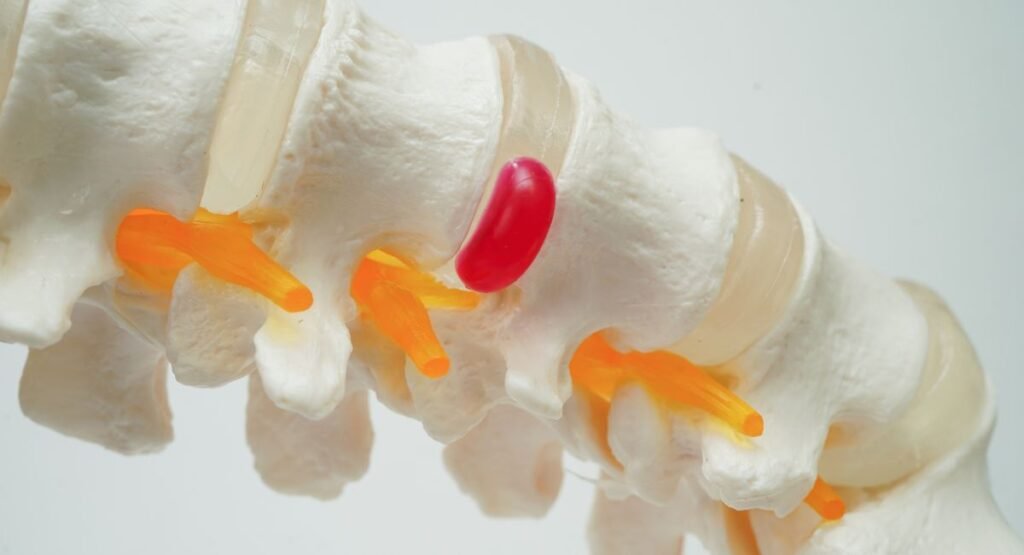
Herniated disks are chronic contributors to back pain when recumbent. Discs provide cushion to the vertebral bones in the spine. When a disc bulges or ruptures, it can impinge on a nerve.
This sort of pressure often generates a stabbing, radiating pain. In the lower back, it can cause sciatica, pain down one leg; in the upper and mid back, it can cause pain that is radiated up around the ribs.
Some back pain caused by a herniated disc may be worse when lying down. For instance, sleeping on the stomach, down, may contribute to increased pressure on the spine. Other individuals prefer to sleep on their side with a pillow placed between the knees.
Symptoms may include:
- Numbness or tingling
- Muscle weakness
- Shooting pain
- Less comfortable when coughing or sneezing
Usually, a diagnosis is obtained by an MRI. It can be treated using help therapy, shots, and rarely surgery.
Postural management and muscle strengthening are often associated with a long-term reduction in recurrence.
Arthritis and Back Pain When Lying Down
Arthritis can also be another common cause of pain when being affected and is more common in elderly people. Osteo arthritis is a condition affecting the joints between the vertebral and causing a breakdown of cartilage due to inflammation.
Compared to muscle fatigue, back pain caused by arthritis while lying down may get more severe over time with longer bed rest. It is often worse in the mornings. You may experience stiffness and have difficulty getting out of bed.
Pain associated with inflammatory conditions of the joints, including ankylosing spondylitis and other inflammatory back pain that varies with movement, tends to be worse at night. The latter condition also disturbs sleep regularly.
Management consists of anti-inflammatory drugs, exercise, and lifestyle changes. Walking or other gentle activity during the day keeps the joints mobile.
Early diagnosis is important to prevent progression and maintain mobility of the spine.
Poor Mattress and Back Pain When Lying Down
The culprit for your back pain when lying down could be a self-indulgent mattress. If your mattress is unsupportive, it will not keep your spine in alignment.
The mattress can also be too soft, allowing the hips to sink and pulling the lower back into strain. Conversely, it can be too firm, causing pressure on the shoulders and hips.
Signs your mattress may be contributing to back pain when lying down include:
- Experiencing morning stiffness immediately upon waking
- Pain relents upon standing up
- The surface appears to be flabby.
It is advised to change your mattress every 7 to 10 years. Picking a mattress that keeps your spine in its natural shape will lessen your pain greatly.
Pillows. Contrary to popular belief, pillows are important. The right pillow supports your neck for the rest of your spine. If it‘s not right, it compromises your entire spine, causing pain in your back when you‘re in bed.
Even simple modifications in sleep settings can have significant effects.
Back Pain When Lying Down and Sleeping Positions

Positioning when sleeping influences the type of back pain experienced on bed rest. Certain positions apply more pressure on the spine than others.
Prone sleeping (on your belly) is probably the worst position. It hyperextends the spine in an unnatural plane and twists the neck unnaturally, possibly making back pain worse when lying down.
If fitted support has been used, sleeping on your back can also be good. A pillow under the knees will help to keep the curves.
Lying on your side is often the best position to sleep if you have back pain. A pillow between your knees will help keep your hips aligned and take the pressure off your lower back.
It may take some trial and error to find the right position. Listen to your body.
When Back Pain When Lying Down Signals Something Serious

Most of the time, it is nothing to worry about, but sleeping with backpain can sometimes mean something very serious.
Red flags include:
- Unexplained weight loss
- Fever
- Night sweats
- Persistent, worsening pain
- Pain persists despite movement changes
Certain cancers, infections, or tumors of the back can produce a constant backache even while lying down that is unaffected by rest.
But, kidney issues may also generate pain, which is felt more deeply with urinary problems.
If the back pain while lying down is severe, chronic, or is associated with other signs or symptoms, then assessment by a doctor is needed.
How to Relieve Back Pain When Lying Down
Easing back pain when lying down may involve these modifications.
Try these strategies:
- Use a supportive mattress
- Adjust sleeping positions
- Stretch before bed
- Apply heat therapy
- Maintain regular exercise
These exercises help the spine stabilize. Mild yoga or physical therapy can help improve posture and flexibility.
Seek medical advice if pain is ongoing.
Progress comes from consistency. Small improvements every day will add up to big results.
Preventing Back Pain When Lying Down

To prevent back pain when lying, take care of your general spine health.
Focus on:
- Having good posture at school/day
- Regular physical activity
- Healthy weight management
- Ergonomic workspaces
- Proper lifting techniques
Remaining active helps to prevent muscles from becoming weak and joints from stiffening. Try to avoid being seated for long periods.
Taking care of your body, which can include investing in quality sleep products and ensuring proper body alignment when lying down, can greatly decrease the chance of back pain recurring.
Prevention always takes effort, but the prize is sleep free from pain.
FAQs About Back Pain When Lying Down
1. why does it worsen at night, when lying down, when lying down?
Inflammation and stiffness tend to become more prominent in inactivity, and pain becomes more noticeable.
2. Are Back Pains When Lying Down a Cancer Sign?
Never, but if the pain is persistent and occurs with other symptoms, it should be assessed.
3. How should I sleep with back pain in bed?
This position, side sleeping with a pillow between the knees, is sometimes suggested.
4. Is lying down on a bad-quality mattress responsible for back pain?
Yes, if the mattress does not support the body properly, the spine may become misaligned.
5. When to go to the doctor for back pain lying down?
See a doctor if pain persists or gets worse, and you are worried, or if you notice any other worrying symptoms.
Conclusion: Understanding Back Pain When Lying Down
Lying down with back pain can impair sleep and everyday life. Although common causes include muscle strain and inadequate mattress support, other more serious conditions may be causes.
Recognition of patterns, optimizing sleep position, and seeking medical attention if required can alleviate a lot of pain. As a rule, most of the cases can be well managed with a conservative approach and lifestyle change
If you always have back pain when lying down, don’t just grit your teeth and suffer in silence. Early intervention leads to better outcomes and quality of life.
Leave a Reply