

Back and Shoulder Pain is one of the most common health problems experienced by people of all ages, all over the world. Whether it be desk workers, athletes, housewives, the elderly, or people from any other walk of life, back and shoulder pain can impede our daily lives, affect our productivity, and consequently, affect our overall quality of life. In many cases, back and shoulder pain develops over time and is caused by factors such as poor body posture, stress, or repetitive movements. In others, back and shoulder pain may occur suddenly following an injury.
It is important that you know about back and shoulder pain and, in particular, the causes, symptoms, and treatment options of back and shoulder pain, to find relief in the long term. This comprehensive guide aims to provide you with all the information you need to combat back and shoulder pain, from medical procedures to lifestyle management and preventative advice.
Back and Shoulder Pain: What you should know

Back and shoulder pain often occur in conjunction with each other because the muscles, nerves, and bones in both regions are interlinked. The back provides support for the shoulders, and the shoulders require the spinal column to bear their weight. Any imbalance or inflammation in either area is therefore extremely likely to cause problems in the other.
The shoulder joint is the most flexible in the entire body, and as a result, it is often harmed by injury. The Back does most of the work for the body‘s weight-bearing activities, especially the upper spine. When the structures in these two regions are used excessively or become unaligned, back and shoulder pain tend to result.
Back and Shoulder Pain: Posture, related causes
Incorrect posture can result in pain in both the back and shoulders. Sitting still in a hunched position for long periods of time, incorrect desk setup, constantly slouching over a mobile device, or disregarding ergonomics can all cause back and shoulder pain over time.
Posture-related issues, which cause back and shoulder pain, can cause muscular imbalances, inflammation, and stiffness. Muscles in the upper back tighten, muscles in the shoulders weaken, and nerve pinching can occur, causing chronic pain conditions.
Back and Shoulder Pain: Muscle strain and excess use

Muscle strain also causes back and shoulder pain. Straining muscles through lifting weights with incorrect technique, twisting too quickly, or repetitive activities performed in an overhead position can cause parting and overstretching of muscle fibers.
People who partake in outdoor or gym-based physical activity or those who work in physically demanding environments are most susceptible to muscle-related back and shoulder pain, which can exacerbate if rest and nutrition are lacking.
Back and Shoulder Pain: Stress and tension, related causes
Repressing negative emotions and higher levels of emotional stress have been associated with increased back and shoulder pain. This is because the body automatically tightens muscles in the neck, shoulders, and upper back when we are stressed, and puts stress through these regions.
Chronic emotional stress often predisposes people to muscle tightening, inefficiency of blood flow to the muscles, and trigger point development, all of which intensify back and shoulder pain. This is why relaxation techniques and stress reduction strategies are often used in conjunction with other treatments for back and shoulder pain.
Back and Shoulder Pain: Spinal Conditions
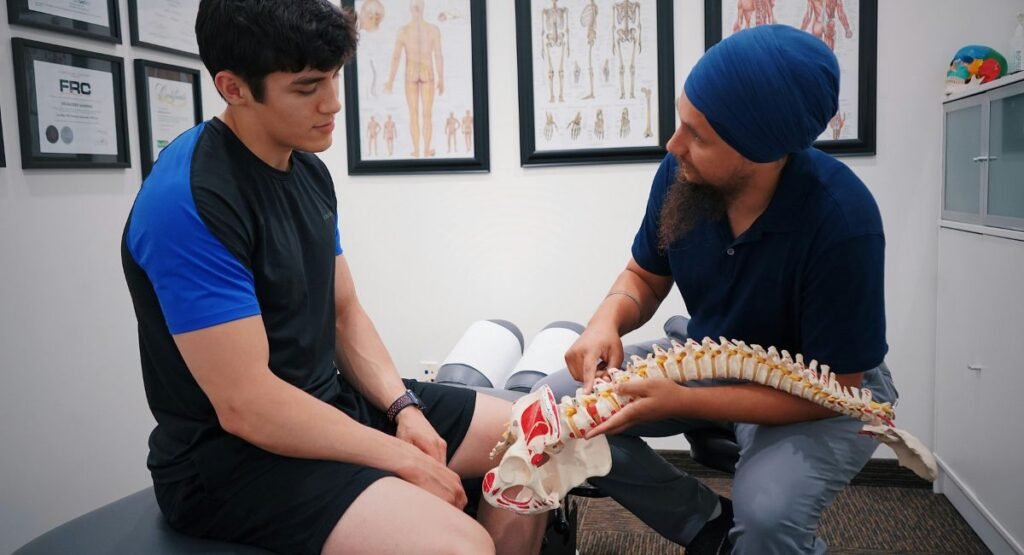
Several spinal conditions can cause ongoing pain in the back and shoulders, including:
Herniated, prolapsed, or bulging discs
Cervical or thoracic spondylosis
Spinal stenosis
Scoliosis
These abnormalities can cause pinching of the nerve roots or restriction of movement, causing the sensation of sharp or burning back and shoulder pain, which can radiate down into the limbs.
Back and Shoulder Pain Symptoms to be aware of
The symptoms associated with back and shoulder pain will depend on the underlying cause, but may include:
Aching or sharp pain in the upper back or shoulders
Knots or tight muscles
Reduced mobility
Tingling or prickling sensations
Pain radiates with movement or when seated or standing for long periods
Any kind of persistent or worsening back and shoulder pain should always be investigated by a medical expert.
Back and Shoulder Pain Diagnosis and Medical Investigation

When a patient sees a doctor with back and shoulder pain, a diagnosis will usually be made based on a comprehensive clinical history and physical examination. Medical investigations such as X-rays, MRI scans, or CT scans may also be requested to clarify the cause of the back and shoulder pain.
The doctor will be assessing posture, muscle power, flexibility, and nerve function to determine the cause of back and shoulder pain. It is important that this diagnosis is as precise as possible so that treatment can be effective and long-term damage can be avoided.
Back and Shoulder Pain: Conventional medical treatments
In the majority of cases, back and shoulder pain can be successfully treated without resorting to surgical procedures. Available treatments include:
Physiotherapy to improve flexibility and muscle strength
NSAIDs and other pain medications
Electrical stimulation of the muscles
Heat/Cold packs
Massage and myofacial release
Whether chemical, physical, or instrumental, these treatments can all combat inflammation, promote relaxation and release, and move the muscles and joints properly, ultimately leading to pain relief.
Physical Therapy and Back and Shoulder Pain Relief

Physical therapies are among the most effective forms of treatment for back and shoulder pain. Customized exercise regimes can be prescribed, which retrain the muscles to work correctly and improve posture.
Stretching, strengthening exercises, manual therapy, taping, and taping and posture correction techniques can all be used to combat the causes of back and shoulder pain and prevent it from returning.
Managing back and shoulder pain with lifestyle modification
Lifestyle modifications can be an extremely effective technique in the management of back and shoulder pain. Keeping body fat within healthy parameters, avoiding a sedentary lifestyle, and maintaining mobility and flexibility are important in muscular health.
Positioning when working, taking frequent rests, and ensuring proper sleeping positions can help to eliminate back and shoulder pain.
Exercise and its effect on back and shoulder pain
Exercise can help in a myriad of ways when it comes to dealing with back and shoulder pain. Gentle, relaxing exercises like yoga, walking, swimming, and basic strength training will improve posture and toning, which will prevent back and shoulder pain.
Stretching or mobility exercises may also be beneficial in loosening tight muscles and preventing pain.
Home remedies for back and shoulder pain
The following home remedies may provide some symptomatic relief for back and shoulder pain:
Applying hot packs or water bottles to relax muscles
Applying ice packs to reduce inflammation
Gentle stretching
Using anti-inflammatory gels or creams
It is advisable to see a doctor if your back and shoulder pain persists.
Back and Shoulder Pain Prevention Tips
There are many steps you can take to prevent back and shoulder pain from occurring in the first place. These include:
Drinking plenty of water
Maintaining good posture as often as possible
Getting up and moving around regularly
Supporting joints when lifting
Having an ergonomic workstation
Back and shoulder pain can be completely prevented by taking care of your body and listening to its signals.
Back and Shoulder Pain in office workers and remote workers
People who work a lot at desks or on computers are at particular risk of developing back and shoulder pain. This can be minimized through:
Ergonomic adjustable workstations
Posture training and stretching breaks
Minimizing the number of hours spent daily
Spreading work times out over the day
Back and Shoulder Pain in the elderly
As we age, the effects of muscle weakness and joint damage, combined with degenerative changes in the discs and joints, can predispose us to back and shoulder pain. Walking, swimming, flexibility training, a balanced diet, and good posture can all minimize the pain experienced by elderly people.
When to consult your doctor about back and shoulder pain
If your back or shoulder pain is lingering after a number of weeks, it is getting worse, or is severe, it is important to get it checked. Sudden nerve symptoms such as numbness or weakness require urgent attention. Any pains following a trauma, such as a fall or a car accident, need to be assessed as soon as possible. Early medical intervention can prevent ongoing pain and disability.
Back and Shoulder Pain: Frequently Asked Questions
Q. Can emotional stress cause back and shoulder pain?
A. Yes, an excess of negative emotions can cause people to hunch their shoulders, clench their jaws, and tighten the muscles in their upper back and neck, which can cause back and shoulder pain.
Q. Is it safe to exercise if I am suffering from back and shoulder pain?
A. It is usually desirable to conduct gentle exercise when suffering from back and shoulder pain, but you should avoid activities which agitate the pain until you are back to normal.
Q. How long will it take for my back and shoulder pain to go away?
A. This will depend on the underlying cause, but can be anything from a couple of days to several weeks.
Q. Can poor sleep contribute to my back and shoulder pain?
A. Yes, pillow position, sleep position, and the quality of your mattress can all contribute to the pain experienced by some individuals.
Back and Shoulder Pain: Final notes
Back and shoulder pain can make us miserable, hobbling us or forcing us to take time off work. It can impact our work performance, family lives, and general pleasure in life. However, most cases of back and shoulder pain are treatable with a combination of education, medical intervention, lifestyle modifications, and preventative action. By gaining an understanding of the cause of your back and shoulder pain, you will be in a stronger position to combat it.
Leave a Reply