

Upper Back Pain After Sleeping: Why It Happens
Upper back pain after sleeping is likely to occur in many people when they wake up in the morning. Instead of jumping out of bed feeling refreshed and energised, you wake up feeling sore, stiff, or even have sharp pains between your shoulder blades.
The upper back or the thoracic spine manages the rib cage and significantly contributes to posture and motion. While sleeping in a posture that implies a lot of pressure over the upper back region for many hours, the muscles and joints may become stressed, leading to upper back pain after sleeping, which can be due to muscle pressure, joint pressure, bad sleeping positions, joint misalignment, or muscle tension.
It is not as common as other causes of upper back pain after sleeping, but it is another reason that upper back pain may be experienced: too much inactivity. If the body is left in one position for a lengthy period of time, stiffness and reduced movement in the joints can occur. This effect is worsened if support isn‘t adequate from the mattress or pillow.
It’s important to understand why you are getting upper back pain after sleeping in order to eliminate it. By recognizing the main contributory factors like sleeping position, the kind of mattress you use, or your daily routine, you can make corrections that alleviate the pain.
Upper Back Pain After Sleeping Due to Poor Sleeping Posture
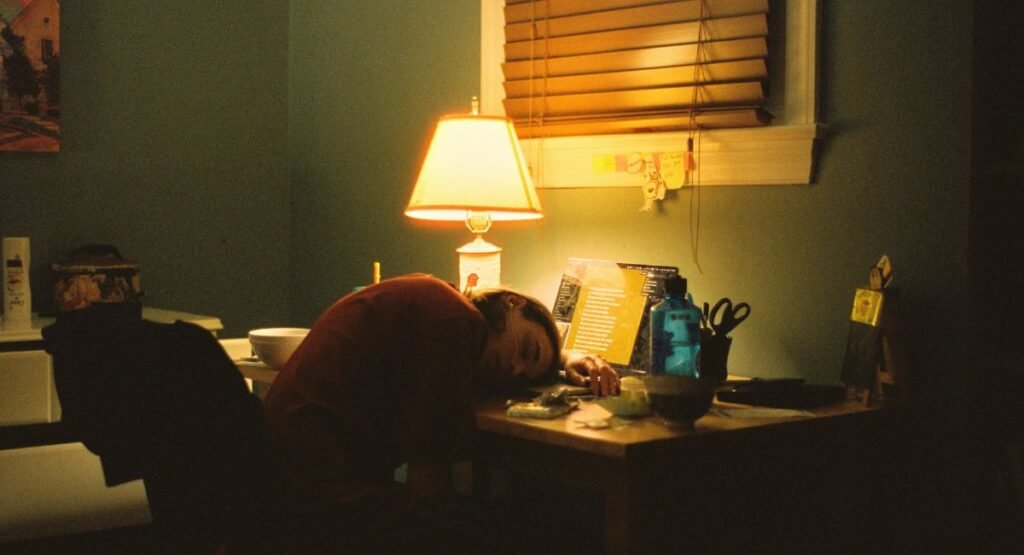
Will usually correlate with a bad sleeping position. If your spine isn‘t very well aligned, then the ligaments and muscles of your upper back are likely to be strained, which over a period of time may cause morning pain.
Sleeping on your stomach is a very common reason for upper back pain after sleeping. The unnatural position you put your neck and spine in when lying face down puts strain on the muscles of the upper back. Lying with your hands and arms raised above your head can also put strain on your shoulder and upper back muscles.
However, side sleeping can still cause upper back pain after sleeping if the right pillow height is not used. When the pillow height is wrong, the neck and upper part of the spinal column are bent unnaturally.
Good posture can also help you avoid pain. During sleep, the optimal position for the head, neck, and spine is neutrally aligned. A supportive pillow, while sleeping in a comfortable position, can help to alleviate unnecessary pressure on the upper back.
Upper Back Pain After Sleeping and Mattress Problems
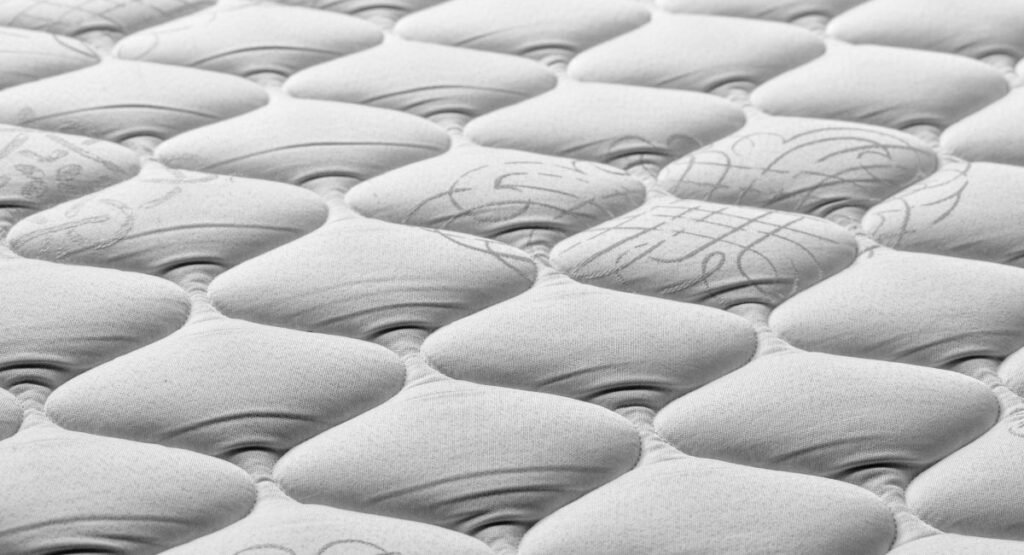
Too-soft mattresses can contribute to upper back pain when sleeping. If your mattress is too soft, your body will sink into the bed, and your spine will not stay in a neutral position. If your bed is too firm, pressure points can develop in your shoulders and upper back.
Eventually, mattresses start to become less supportive until they no longer support the spine well. If you have an older mattress (more than 7-10 years), then this may be a source of upper back pain following sleep.
Memory foam or hybrid mattresses are often suggested for those who suffer from upper back pain post-sleep because they offer a good mix of support and pressure distribution. The aim is to keep the spine straight while spreading out the weight of the body.
Your sleeping position influences your optimal mattress firmness. Sleeping on your side of the body is usually comfortable with a medium-soft mattress, whereas back sleeping can work well with a medium-firm mattress.
The quality of your mattress can affect your morning back pain.
Upper Back Pain After Sleeping From Pillow Issues

Upper back pain after sleeping can also be related to the type of pillow being used. Pillows are an extremely important factor in maintaining good neck and upper spine alignment.
Pillow thickness can be problematic. If too thick, the head will protrude, and any stress will be placed on the back muscles. Whereas if too flat, then the head will be tilted back, adding tension to the thoracic spine.
For those who suffer from upper back pain while sleeping, an ergonomic pillow to hold the natural curve of the neck may offer relief. Memory foam or cervical pillows are often a better choice than a more traditional design.
The size of the pillow: side sleeping requires a thicker type that supports between the head and shoulders, and back sleeping requires a thinner type that keeps the head, neck, and back in the neutral position.
Changing these old pillows periodically can also be a method to reduce pain and enhance sleep quality.
Upper Back Pain After Sleeping Due to Muscle Tension
A common problem of upper back pain after sleeping is muscle spasm. If the muscles are tight or tired, the body may try to alleviate this tightness and die away by relaxing the muscles. You can develop tight muscles as a consequence of tiredness, stress, postural habits, at work, or inactivity.
If muscles stay in a state of contraction all day, they don‘t completely release during sleep. Consequently, you may wake up in the morning with upper back pain after sleeping.
Developed over time from prolonged periods of sitting at a computer desk or with gaze directed downwards at a mobile device, creating rounded shoulders with a forward head position, and the muscles of the upper back are constantly under tension.
Stretching and strengthening exercises may reduce tension and may prevent upper back pain after sleeping. Yoga, gentle stretching, and exercises that can correct postural imbalances may help.
Moving around throughout the day prevents muscles from becoming tense and tight.
Upper Back Pain After Sleeping and Stress

Upper back pain after sleeping could be a consequence of emotional stress. When you‘re feeling nervous or anxious, your muscles in your shoulders and neck tense.
This muscle tension can continue while you‘re asleep, resulting in soreness or stiffness upon waking. Something that can also occur as a result of sleeping with stress-related upper back pain is headaches or the sensation of tight shoulders.
For some people, relaxation techniques such as deep breathing, meditation, and progressive muscle relaxation may help reduce pre-sleep tension.
Developing a relaxing evening routine will also help to increase sleep quality and decrease the chances of waking up feeling achy.
Upper Back Pain After Sleeping and Lack of Movement

Upper back pain may be experienced after sleeping if you have kept still in one position for an extended period of time. During deep sleep, movement can be reduced, resulting in stiff muscles and joints.
This stiffness can cause upper back pain after sleeping, particularly if the bed doesn‘t allow for natural motion.
Changing position while sleeping from time to time or using good supportive bedclothes may also be beneficial for overcoming constriction in the upper section of the back.
Soft morning stretches can also relax stiff muscles and improve circulation.
Upper Back Pain After Sleeping: When to See a Doctor

Upper back pain after sleeping is often brief and goes away on its own or with simple diet and lifestyle modifications. Chronic, worsening upper back pain after sleeping shouldn‘t be taken lightly.
Seek medical attention if upper back pain after sleeping is accompanied by:
- Numbness or tingling
- Difficulty breathing
- Chest pain
- Fever
- Pain is increasing over time
Any other symptoms could suggest other, less benign conditions.
A health professional will be able to find out where the problem has come from and advise suitable treatment.
Upper Back Pain After Sleeping: Treatment and Prevention
Treating upper back pain after sleeping requires identifying and correcting the root cause of the pain. Here are some simple lifestyle modifications:
Effective strategies include:
- Improving sleeping posture
- Supplying a comfortable mattress and pillow
- Practicing regular stretching
- Good posture during the day
- Managing stress levels
Using the heat application or taking a warm shower in the morning can be effective in loosening tight muscles.
Consistency is “the key.” Making small adjustments to your sleeping environment and lifestyle activities will have a dramatic effect on alleviating upper back pain after sleeping.
FAQs About Upper Back Pain After Sleeping
1. I have upper back pain after sleeping every morning. What‘s wrong?
Poor sleeping posture, hard beds, and muscle tension can result in this.
2. Would a bad pillow cause upper back pain after sleeping?
Yes. An incorrect pillow height can force the neck and upper spine into an unnatural position.
3. How serious is upper back pain after sleeping?.
Most cases are not serious; however, if the pain persists, then it should be checked out by a doctor.
4. For sleeping positions, which one avoids upper backpain after sleeping?
Back or side sleeping with support keeps the spine aligned.
5. How can I get rid of upper back pain after sleeping fast?
Light stretching, applying heat, and correcting sleep position are effective in relieving pain.
Conclusion: Overcoming Upper Back Pain After Sleeping
Upper back pain after sleeping can interfere with your mornings and daily routine. Fortunately, it is often caused by easily treatable factors like bad sleeping habits, unsupportive mattresses, or muscle strain.
By optimizing your sleep ergonomics, keeping a healthy posture, and doing regular stretching, you will reduce pain substantially. Your body will say what it needs. The earlier you acknowledge your pain, the easier you will overcome it.
Achieving comfortable sleep and pain-free mornings is possible with the proper modifications.
Leave a Reply