

Lower Back Pain and Diarrhoea (Why are these symptoms sometimes associated?)
At first glance, you might not think there‘s any connection between your lower back pain and your diarrhea. One affects your digestive system; the other affects your musculoskeletal system. However, there‘s more to these symptoms than can easily be seen. The width of your abdomen and the length of your lower back area are very closely linked by not only nerves and muscles but also the anatomical structure of our bodies. When your digestive system becomes upset or inflamed, it may radiate pain in your lower back.
Lie just behind the intestines, kidneys and reproductive organs. When these are inflamed, infected or have built up internal pressure, pain may be felt, sending the sensation of pain to other parts of the body along similar nerve pathways. This can cause pain in the lower back and diarrhea occur simultaneously.
Sometimes the connection is mild and transient, much like a stomach virus with accompanying body aches. Other times it can point toward irritable bowel syndrome, kidney infections or IBD.
Knowing the relationship between these two signs will give you an idea of whether you are dealing with an illness that is only for a short duration or an illness that requires medical assistance.
Lower Back Pain and Diarrhea: Common Causes You Should Know

Back pain coupled with diarrhea may have a variety of causes. The cause of such symptoms may be determined based on the timing, severity and associated symptoms.
A gastrointestinal infection is one of the more common ones. Often, viruses and bacteria that irritate the bowels result in diarrhea, stomach cramps, and just feeling generally ill, including lower back pain.
One other common endocrine system problem is that of irritable bowel syndrome. During episodes of this disorder, intestinal spasms and bloating exert enough pressure to radiate to the lower back area.
A more serious cause of lower back pain and diarrhea is a kidney infection, which produces severe pain often felt on one side of the back. Fever and painful urination may also be experienced.
(Inflammatory bowel disease, such as Crohn‘s disease or ulcerative colitis) may have the side effects of diarrhea that is persistent and widespread, and increases the systemic inflammation, may also cause joint and back pain.
The symptoms can also be caused by food poisoning, dehydration, menstrual-related symptoms and stress.
The pattern—whether acute or chronic—can help make the diagnosis.
Lower Back Pain and Diarrhea From Gastroenteritis
Lower back pain and diarrhea are common symptoms of gastroenteritis, otherwise known as the stomach flu. This is usually due to viral or bacterial infections that irritate the stomach and intestines.
As your body fights the infection, you may experience:
- Frequent loose stools
- Nausea or vomiting
- Abdominal cramps
- Mild fever
- Body aches
Lower back pain is commonly caused in this situation by systemic inflammation and muscle spasm. The dehydration from diarrhea may lead to muscular cramping and weakness.
Lower back pain due to gastroenteritis and diarrhea generally last few days. The necessary treatment aims at rehydration and rest.
However, medical attention should be sought if symptoms persist longer than one week or deteriorate significantly.
Lower Back Pain and Diarrhea Linked to Irritable Bowel Syndrome

Lower back pain and diarrhea are common complaints among those suffering from IBS. IBS affects the large bowel and results in bowel episodes of diarrhea, constipation, or both.
The abdominal pain of IBS flare-ups can often be due to spasms and bloating in the bowel, putting pressure on the abdominal cavity. As the bowel runs very close to the lower spine, any pressure here can irritate the adjacent nerve segments and cause pain in the back.
Stress also exacerbates the symptoms of IBS. When stressed, the muscles in your back can tighten, which could increase the pain in your lower back in addition to your diarrhea.
Contrary to Infection, IBfS is a long-term condition. Symptoms fluctuate over time. Controlling flare-ups is fundamental to treatment, and includes several factors such as diet, stress and lifestyle.
Chronic pain in the lower back that is associated with BMs may be a sign of ibs.
Lower Back Pain and Diarrhea Caused by Kidney Infections
Lower back pain and diarrhoea can indicate a kidney infection if the pain is severe and unilateral.
The kidneys are situated just about the lumbar muscles. In inflammation, they are felt as sharp, piercing or pulsatile pains which sometimes radiate to the abdomen and groin. Accompanying the nausea and fever, diarrhea may occur.
Warning signs of kidney-related lower back pain and diarrhea include:
- High fever
- Chills
- Painful urination
- Cloudy or foul-smelling urine
This condition demands prompt medical treatment with antibiotics. Waiting too long and it can cause some serious problems.
Seek medical advice if the back pain feels deep and severe rather than muscular.
Lower Back Pain and Diarrhea During Menstruation or Gynecological Issues

Lower back pain and diarrhea are often experienced and observed to co-occur around the time of the menstrual cycle. Contraction of the uterus caused by a change in hormones can irritate the nerves and muscles near the back.
Prostaglandins, which are hormone-like substances that are expelled with the blood during menstruation, are responsible for inducing contractions in the muscles that line the uterus and the bowel. This results in cramping, low-back pain, and diarrhea.
Chronic lower back pain and diarrhea may also be caused by conditions like endometriosis or pelvic inflammatory disease.
If your symptoms are severe, getting worse or affecting your daily life, you should seek medical advice.
Lower Back Pain and Diarrhea From Inflammatory Bowel Disease
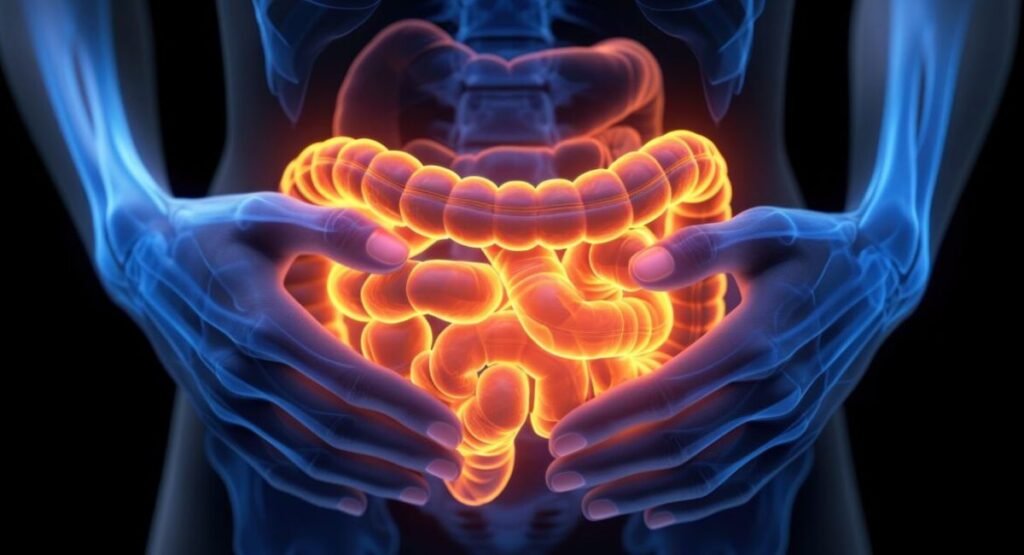
Back pain and diarrhea could be attributable to an inflammatory bowel disease (IBD). In contrast to IBS, the digestive tract in an IBD is chronically inflamed.
Crohn‘s disease and ulcerative colitis can cause recurring bouts of diarrhea, pain in the abdomen, tiredness and pain in the joints. If the inflammation spreads, it can affect the joints and spine, causing pain in the lower back.
IBD-related lower back pain and diarrhea may be accompanied by:
- Blood in stool
- Weight loss
- Persistent fatigue
- Fever
As IBD is a serious condition, medications are necessary management options. Early intervention decreases secondary complications and can enhance a patient‘s quality of life.
Lower Back Pain and Diarrhea Due to Food Poisoning

Diarrhoea and abdominal pain: Pain in the lower back and diarrhoea can both be due to food poisoning. This is caused by contaminated food or contaminated water.
Symptoms usually begin within hours of exposure and may include vomiting, fever and abdominal cramping. Body aches, including lower back pain, are associated with the immune response.
Most resolve in a few days. Hydration is important to prevent dehydration-related complications.
A doctor should be contacted, or a visit to the hospital is advised if symptoms become more severe or if they do not improve—this could indicate dehydration, persistent vomiting and/or a high temperature.
Lower Back Pain and Diarrhea: When to See a Doctor

Lower back pain and diarrhea should be evaluated by a doctor if you experience:
- Severe or worsening pain
- Blood in stool
- High fever
- Signs of dehydration
- Whether symptoms persist beyond 1 week.
These symptoms can be indications of a more serious underlying condition that needs to be treated.
The initial diagnosis should be made early to avoid any complications.
Lower Back Pain and Diarrhea: Treatment and Management Options
Treatment of lower back pain and diarrhea will depend on their etiology.
For mild infections or food poisoning:
- Rest
- Oral rehydration solutions
- Light diet
For IBS:
- Dietary adjustments
- Stress management
- The doctor prescribed médicaments
For kidney infections or IBD:
- Antibiotics or anti-inflammatory medications
- Ongoing medical supervision
Lower back pain can be treated with gentle stretching, heat, and over-the-counter pain medication, if cleared by the doctor.
Tackling the problem is the simplest way to get rid of the symptoms.
FAQs About Lower Back Pain and Diarrhea
1. Can stress cause lower back pain and diarrhea?
Yes, stress can cause a flare in IBS, which can result in both back pain and diarrhea.
2. Could lower back pain and diarrhea be symptoms of an infected kidney?
They can be, in the presence of fever and urinal symptoms.
3. How long should lower back pain and diarrhea last?
Light infections should improve within a few days. If symptoms persist, further investigation is required.
4. Is back pain and diarrhea due to dehydration?
Dehydration from diarrhea can produce muscle spasm and back pain.
5. Who should I visit for lower-back pain and diarrhea?
Visit an emergency facility if symptoms become severe, bloody stool, or become serious with high
Conclusion: Understanding Lower Back Pain and Diarrhea
Lower back pain, abdominal pain, and diarrhea may be caused by a variety of conditions, from mild infections to serious medical problems. Most of the time, such pain and diarrhea go away on their own, but in certain cases, you should seek medical attention.
Bear in mind other symptoms, such as fever and the presence of blood in stool or urine. Such clues are useful in order to assess whether one is facing a temporary problem or should rush for hospital.
Listening to your body and seeking care when you need to assist you in recovery faster and for long-term health.
Leave a Reply