
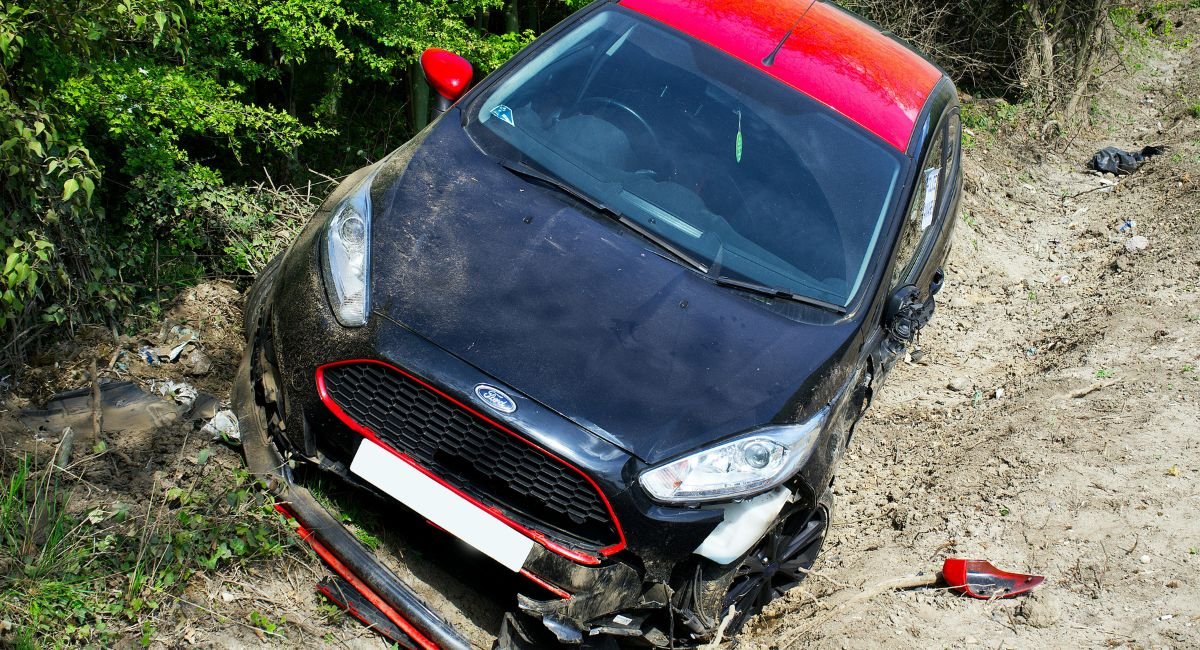
Back Pain After a Car Accident: Understanding Why It Happens
Lower back pain is one of the most common injuries sustained, even from a minor car crash. You may leave the scene without injury, only to wake up stiff, sore, and confused the next day. This delay in pain and discomfort is common. The impact of the crash exerts a massive strain on your bones, muscles, and ligaments through the rush of momentum.
A collision is experienced by a body as a sudden acceleration that throws the body forward, backward, or sideways. During the first two seconds of the impact, the rapid motion may impose large stresses upon soft tissues, impose excessive load on spinal discs, or irritate nerves. The use of a seat belt, which unquestionably saves lives, fails to provide total protection to the back from the stresses imposed by rapid deceleration.
Back pain after a car accident varies from minor soreness to pain so severe that it is debilitating enough to interfere with your everyday activities. Some experience dull aches while others have pain that radiates into the legs and shoots down. Depending on the type of injury, your health history, and the force of impact, the pain may be more or less intense.
The reason why you have back pain following a car accident is the first thing you need to understand to treat this condition properly. If left alone, it could develop into a chronic problem and needs to be addressed as soon as possible.
Common Causes of Back Pain After a Car Accident

Car accident back pain can be caused by different types of injury. While some injuries are minor and heal on their own quite quickly, others require treatment. The most common injuries will involve damage to muscles, ligaments, discs, and nerves.
Soft tissue injuries are very common. During a crash, muscles and ligaments may be overstretched past their normal position, causing inflammation and stiffness. These injuries can sometimes show little or no sign on x, ray, but can be painful nonetheless.
Another common reason for back pain following a car crash can be a herniated disc. The force of the collision may cause the spinal discs to protrude or rupture, impinging upon the nerve roots. This can cause shooting pain, tingling, and numbness.
Injuries to the facet joints themselves may also have occurred. These are tiny joints between the vertebrae. They are lined with cartilage, are capable of moving, and can be inflamed during trauma. This may cause pain in the joints, which is tender and aggravated by movement.
More severe injuries can include fractures or spinal misalignment. A very small fracture can result in chronic back pain following a car accident if not properly treated.
It is important to determine the cause of pain. Unexplainable pain can persist or increase without treatment.
Types of Back Pain After a Car Accident
Individuals experience post, car accident back pain in different ways. Often, the type of pain provides information about the injury.
Pain, it is sharp and short-lived. It is felt immediately after the crash and may also be confined to movement. For example, it can indicate a sprain.
Delayed pain can be quite prevalent. The swelling from inflammation takes a while to arrive, and you will suffer pain for hours or even days after. You are most likely to think you haven‘t hurt yourself until a stiff feeling arrives.
Radiating pain, another type of back pain following a car accident. When a disc applies pressure to a nerve, you will feel pain that travels down the arms or legs. Sciatica is an example that causes pain to travel from the lower back down through one of your legs.
Usually, chronic pain results from improper treatment of an acute injury. Physical therapy or interventional treatment is often needed if your back pain persists longer than three months following a car accident.
Knowing what kind of pain it is allows health care providers to decide on the most appropriate plan of action.
Symptoms Associated with Back Pain After a Car Accident

In addition to soreness, there may be other signs and symptoms of a back injury as a result of the car accident. The following symptoms may occur, although their severity may correlate with the amount of damage:
Common symptoms include:
- Stiffness or reduced mobility
- Muscle spasms
- Swelling or tenderness
- Headaches
- Numbness or tingling
- Weakness in the legs
Others find it hard to sit or stand in one position for very long. Still others experience pain while coughing or breathing deeply.
Severe back pain following a car accident may be associated with loss of control of the bladder or bowels. This is very unusual and warrants urgent hospital attention, as it could be indicative of involvement of the spinal cord.
However, no matter how simple the symptoms may appear to be, it is in one‘s best interest to have a doctor examine the affected area. If discovered early, this condition may be treated more effectively.
Delayed Back Pain Following a Car Crash: Reasons for Its Onset at a Later Date
Residual backache following a crash can be misleading. You may be symptom-free until the following morning when pain arrives because adrenaline and shock temporarily mask the backache.
Immediately following a crash, the body produces stress hormones, which mask pain and heighten awareness. Once the adrenaline diminishes, the inflammatory response begins, and pain then occurs.
Delayed symptoms are common in soft tissue injuries. Tears in muscles too small to be felt or detected can sometimes take hours or days before causing pain. Swelling from the injury subsequently results in stiffness.
Delayed back pain following an automobile accident should be taken seriously. Even pain that seems minor could be indicative of trauma. Timely assessment and documentation by a physician is essential for proper care and insurance purposes.
Pay attention to your body. If the pain ‘hangs around’ for hours or even days after the event, then get yourself checked out rather than waiting for the condition to resolve itself.
How to Diagnose Back Pain Following a Car Crash

Diagnosis of back pain after an automobile accident must be precise if effective treatment is to be achieved. Usually, a physical examination is performed initially. Range of motion, reflexes, and tender areas are checked.
Imaging tests may include:
- X-rays to detect fractures
- MRI image to assess discs and soft tissues
- CT scans for detailed bone imaging
The following tools can be useful in helping to determine exactly what is in the back that is causing the pain after a car crash. Nerve conduction studies may also be used if nerve damage is suspected.
Providing documentation of injuries is also beneficial for legal or insurance reasons. Medical documentation can also provide evidence to suggest that the back pain occurred due to the car accident.
A complete assessment has the potential to prevent missed injuries.
Treatment Options for Back Pain After a Car Accident
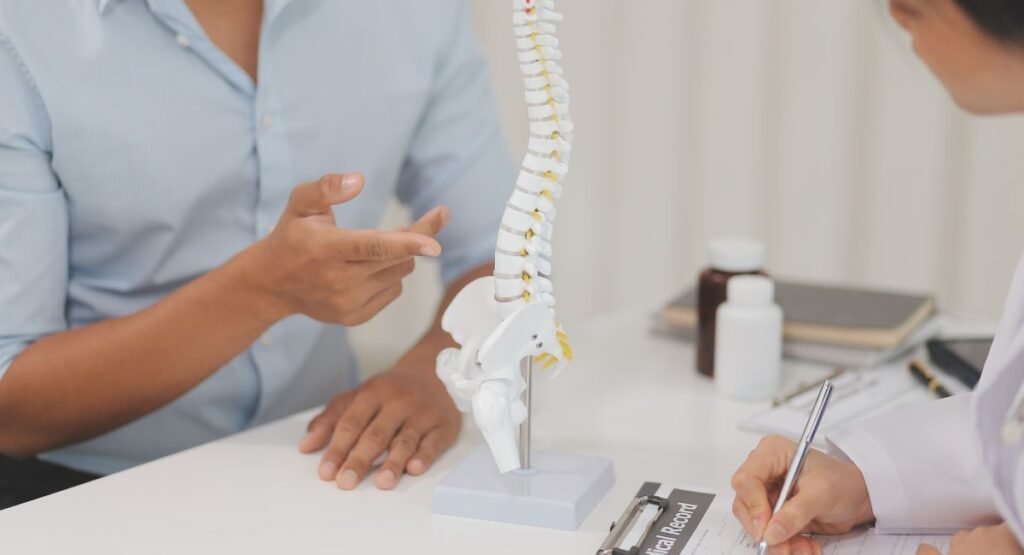
Treatment for back pain following a car accident will depend on the extent of the injury. In most cases, these injuries can be treated with conservative care.
Common treatments include:
- Rest and activity modification
- Ice and heat therapy
- Over-the-counter pain relievers
- Physical therapy
- Chiropractic care
Physical therapy is also very successful. Specific exercises tone muscles, increase flexibility, and take pressure off the spine.
For ongoing back pain after a car accident, a doctor may prescribe medicines, injection therapy, or specialist treatment, which may alleviate inflammation. Surgery may be required in certain situations if disc herniations or fractures are very extensive.
Treating early usually results in a better prognosis. Allowing a long period of time before starting treatment can extend your recovery time and increase the likelihood of developing chronic pain.
Duration of Back Pain Following a Car Accident
The time period for recovery from back pain following a road traffic accident can be highly variable. Mild strains of muscle may resolve in a few weeks; more significant injuries, such as disc prolapses, may take many months to recover from.
Factors affecting recovery include:
- Severity of the collision
- Age and overall health
- Pre-existing spinal conditions
- Timeliness of treatment
Optimized rehab commonly accelerates healing. Symptoms should not be ignored, nor should pain-free activity be resumed prematurely.
If back pain after a car accident continues longer than three months, it is considered chronic and may require specialized pain management techniques.
Having patience and listening to medical advice is essential to healing.
Preventing Chronic Back Pain After a Car Accident
The key to preventing chronic back pain following a car accident is to address any pain early. It may be a minor problem, but it is best to have it checked out by a medical doctor.
Adhering to treatment recommendations is crucial. Missed physical therapy appointments or neglecting to do home exercises could set back the recovery process.
Good posture, no heavy lifting while healing, and staying active can help. Building up core muscles gives more support for the spine and takes excess strain off the back.
Stress management can be a factor. The emotional trauma that occurs after an accident can cause a person to tense up their muscles, which can exacerbate the back pain after a car accident.
It can take preventative measures to increase the chances of a full recovery.
Best Time to Consult a Doctor for Back Pain after a Car Accident

You should seek medical attention for back pain after a car accident if:
- Pain worsens over time
- Your limbs are feeling numb or weak.
- Movement becomes severely limited
- Pain can interrupt daily routines
- You have observed changes in your bladder or bowels
Regardless of whether the symptoms appear insignificant, early consultation can save your life and help maintain accurate records.
Timely intervention not only yields better results but also offers reassurance.
FAQs About Back Pain After a Car Accident
1. Is it possible to have back pain following a car crash that does not develop until a few days later?
Yes. Pain may not be felt immediately, as adrenaline can be released following the trauma, which can dampen the pain signals at first.
2. How can I tell if back pain following a car accident is significant?
Severe pain, numbness, weakness, or changes in bladder function need to be seen in A&E
3. Do I need to see a doctor if my back pain after a car accident is slight?
Yes, it is best to be checked early to avoid complications and for documentation purposes.
4. If I have had an injury after a car accident, will it be long-term?
If the injury has not been treated, it can leave you with pain for more than three months.
5. The best treatment for back pain following a motor car accident?
Treatment varies depending on the injury, but it can usually be treated with some rest, medication, and physiotherapy.
CONCLUSION: Car accident back pain is treatable.
Back pain following a car accident is inevitable. But the pain you experience following a car accident should never be taken lightly. Symptoms may show up days or even weeks following your accident and serve as a sign that your body has suffered trauma.
Prompt doc visits, cautious management & healthy lifestyle adjustments have a positive impact on the prognosis. Most can be managed conservatively in which case a good outcome is predicted; however, with ongoing symptoms, referral to an appropriate specialist is advised.
If you are suffering from back pain following an automobile accident, heed your body‘s warning signs and seek medical attention. Starting treatment today may avoid potential complications in the future.
Leave a Reply