

Having both a backache and nausea at the same time can be alarming. Many people experience backache, and many who experience nausea, but not at the same time. People might worry that it has some sort of link, and it could be something quite simple or far more serious.
In reality, backache and nausea are connected in many ways. It could be something as simple as a torn muscle and dehydration. It could be something more serious, such as a kidney infection, a gall bladder problem, a disorder of the digestive system, or even a spinal disorder.
Back Pain and Nausea. In this comprehensive article, we’re going to look at the most common, most dangerous causes of back pain and nausea, treatment, prevention, and when to seek professional help.
Back Pain and Nausea Caused by Muscle Strain and Stress
The most common causes of back pain and nausea, which are also the least serious, include strains and stress. Your back muscles can be strained, for example, by heavy lifting, rigorous exercise, or putting poor postural habits into practice. If the pain in the muscles is severe enough, it may cause nausea.
Stress also has an important impact. When a person is stressed, emotions tend to contract back muscles, which is felt in the upper and lower back. In addition, the bowel movements are affected. Nausea could be a result of this stress. It is a transient effect that produces a vicious cycle of backache and nausea.
Relaxing, rest, fluid intake, heat application, and relaxation techniques such as diaphragmatic breathing may all be used to alleviate stress-related symptoms.
Back Pain and Nausea Linked to Kidney Infections

A kidney infection is an example of a more serious cause of back pain and nausea. The kidneys sit on either side of the lower back, and if they are inflamed or infected, they can cause a sharp or aching pain on one or both sides of the spine.
Along with back pain and nausea, other symptoms include fever and chills, as well as painful urination and the frequent need to urinate. This is a condition that necessitates immediate treatment with antibiotics, or complications can occur.
Persistent lower back pain along with nausea and urinary symptoms should be further investigated.
Back Pain and Nausea Due to Kidney Stones
Other common causes are kidney stones. These are hard deposits of minerals that are produced by the kidneys and may cause severe pain during their passage through the urinary system.
Pain is frequently severe, sharp, intermittent pain located in the loin or flank may radiate toward the abdomen or groin. Nausea and vomiting are common due to the severity of pain.
Unexpected and severe back pain and vomiting should not be disregarded, especially when blood is noticed in the urine or if the person has trouble passing urine.
Back Pain and Nausea from Gallbladder Problems
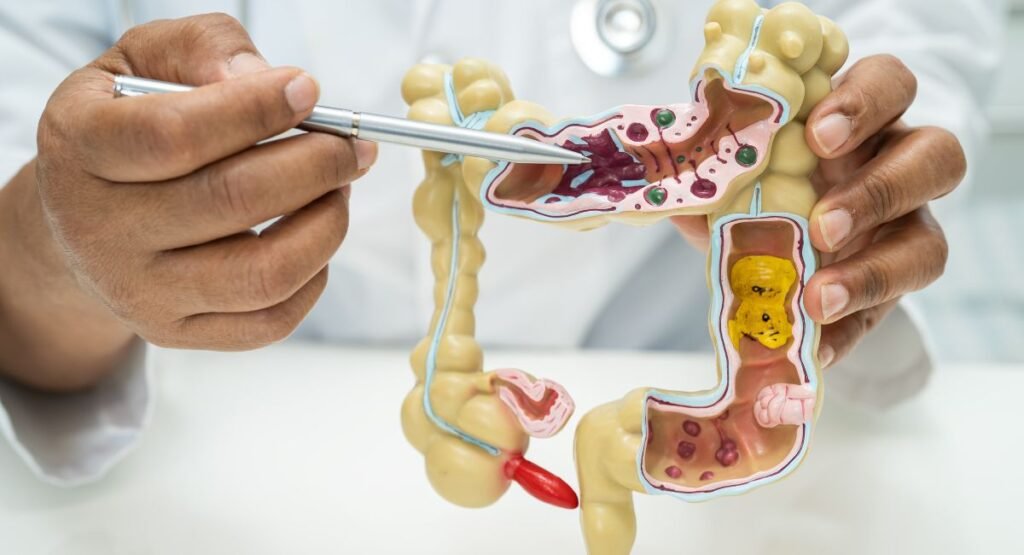
Back pain and nausea can also be due to a problem with the gall bladder, such as gallstones. While it may begin as a pain in your upper abdomen, painful gall bladder episodes often radiate to the upper back or, more commonly, to the right shoulder blade.
This sort of back pain and nausea tends to occur after eating food that is high in fat, and often is associated with wind or indigestion. If the bile ducts become blocked by stones, this pain may intensify and necessitate medical attention.
Monitoring dietary triggers and assessment for recurrent symptoms should be considered.
Back Pain and Nausea During Pregnancy
Back pain and nausea are commonly experienced and tend to occur together as part of your pregnancy. Pregnancy hormones soften ligaments, which puts pressure on the lower back, and the first trimester causes nausea (morning sickness).
Backache and nausea are likely to worsen as pregnancy continues due to additional weight and body position. Drinking plenty of water, regular light prenatal exercises, and supportive pillows can all help minimize discomfort.
Any time there is severe pain, fever, or other concerns, a doctor should be consulted.
Back Pain and Nausea Related to Digestive Disorders
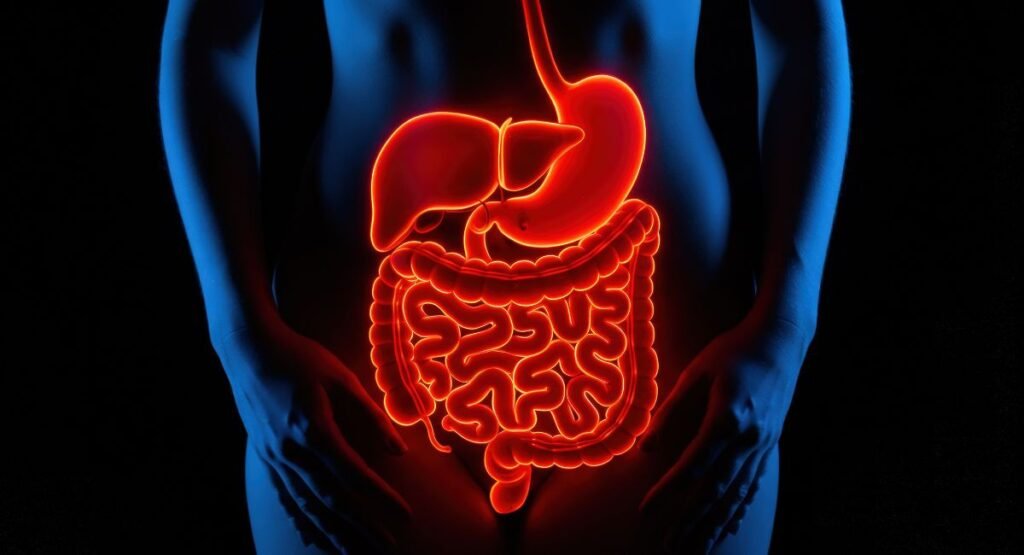
Should a person suffer from any problems within the Digestive system, such as gastritis, pancreatitis, or IBS, sensations of back pain and nausea may also be experienced. Any inflammation within the abdominal cavity may send pain signals to the back as the nerves serving both areas are continuous.
Conditions such as pancreatitis may present with upper abdominal pain radiating around the back, together with nausea and vomiting. This back pain and nausea may be serious.
Persistent stomachache and backache should not be ignored.
Back Pain and Nausea from Spinal Conditions
Some spinal disorders may also induce back pain accompanied by nausea in particular instances where nerve compression exists. For example, herniated discs, infections, or considerable inflammation are capable of generating acute pain, which can be accompanied by nausea as a secondary effect.
There might also be the sensation of numbness, pins and needles, weakness, or compromised movement, along with the back pain and nausea. Serious medical intervention is required if neurological symptoms are experienced.
Back Pain and Nausea and When to Seek Emergency Care

Mild cases of nausea and back pain tend to go away if left alone, but it‘s important not to ignore any warning signs:
- Suddenly, severe pain
- High fever
- Chest pain
- Difficulty breathing
- Blood in urine
- Persistent vomiting
These symptoms could be indicating life threatening emergencies such as a kidney infection or inflammation of the gall bladder.
Back Pain and Nausea Home Treatment Options
For mild cases of back pain and nausea, home care can be effective. Consider these strategies:
- Relax and do not lift anything too heavy.
- Use heat or a cold pack on the affected area
- Stay hydrated
- Eat light, bland foods
- Practice relaxation techniques
Every day, drugs can relieve pain and nausea, but seek a medical specialist if they don‘t go away.
Back Pain and Nausea Prevention Strategies
In all these measures, it is most important to stay generally healthy. Regular exercise will strengthen back muscles and improve posture. Drinking plenty of water will keep the kidneys healthy and help with digestion.
A healthy and balanced diet will lower the chance of problems with the gall bladder and gastrointestinal problems. Controlling stress, by meditation or yoga, will help in preventing recurrent episodes of back pain with nausea.
Small daily habits can greatly lower the chances of experiencing these symptoms altogether.
FAQs About Back Pain and Nausea
1. Can back pain alone cause nausea?
Yes, severe back pain can trigger nausea due to stress and nerve responses.
2. Is back pain and nausea a sign of kidney stones?
It can be, especially if the pain is sharp and located in the lower back or side.
3. Should I go to the ER for back pain and nausea?
Seek emergency care if symptoms are severe or accompanied by fever or chest pain.
4. Can stress cause back pain and nausea?
Yes, stress tightens muscles and disrupts digestion.
5. How long do back pain and nausea last?
It depends on the cause. Mild cases may resolve in days, while infections require treatment.
Conclusion: Understanding Back Pain and Nausea
Having back pain and nausea can be unpleasant, and not knowing the reason why can be worrying. But insight into possible reasons helps determine how to respond. From stress, muscle strain, and kidney infection to digestive problems, there are several options.
Most mild cases will get better on their own and simply require rest and hydration. However, if this is not the case, and your symptoms are long-lasting, worsening, or severe, you will require urgent medical attention. By listening to your body and acting quickly, you will have peace of mind and a better outcome.
Leave a Reply