
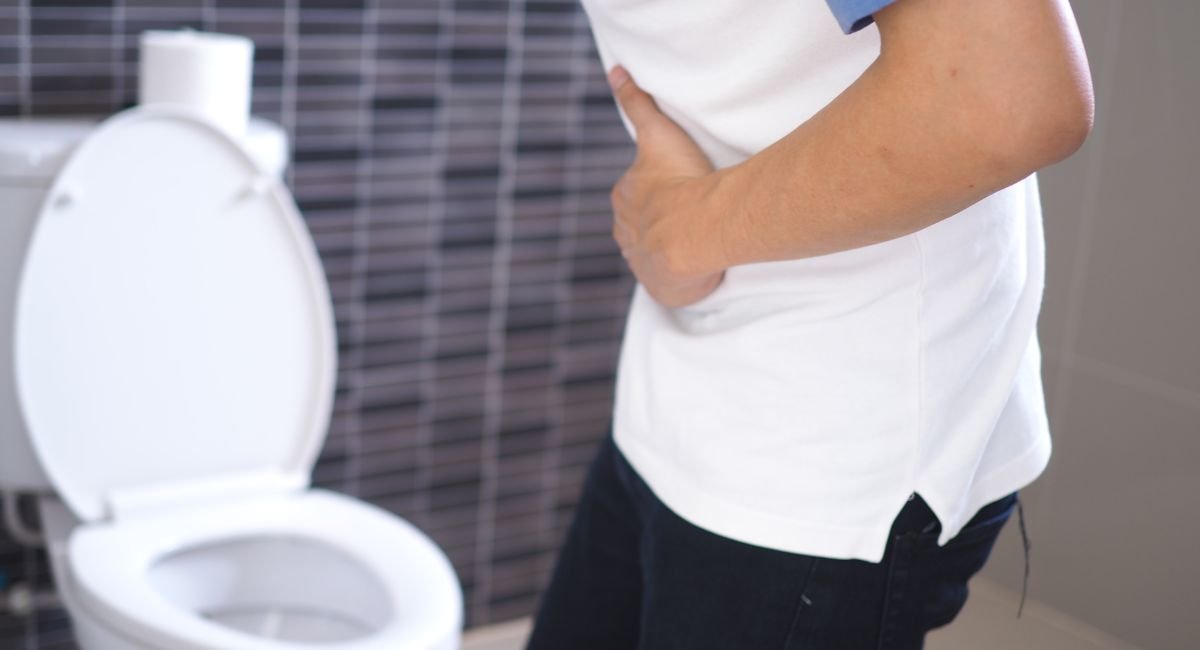
Having the symptoms of diarrhoea and pain in the lower back together can be a bewildering and unpleasant experience. The majority of people tend to consider diarrhoea as only a problem related to the gut, and a sore lower back as a problem related to the muscles and joints. However, the body doesn‘t operate in compartments. Your gut, nerves, muscles and spine are all integrated. When there‘s a problem with your gut, it can often be reflected in your lower back.
In many situations, the occurrence of diarrhoea and lower back pain together is caused by inflammation, muscle strains, dehydration or even infection. Mild attacks tend to go away on their own accord; however, if symptoms last for a long time or become especially severe, then this could be a sign of something more serious.
In this comprehensive article, we will cover reasons for the association of diarrhoea and lower back pain, possible disease conditions where they are present together, how to treat this problem at home, and also when you should consult your doctor.
Diarrhoea and Pain in the Lower Back Caused by Dehydration
Dehydration is the most common cause of the most commonest incident of diarrhoea and lower back pain. During bouts of diarrhoea, the body loses fluids and vital electrolytes rapidly. If you are poorly hydrated, then your muscles, including your lower back muscles, can cramp, tighten and become sore.
Dehydration decreases the blood supply to the muscles and tissues. This cuts down the circulation and can cause soreness and stiffness in the lumbar region. Combined with diarrhea and lumbar pain, if there is dizziness, dry mouth, exhaustion or dark coloured urine, it is most likely due to dehydration.
Rehydration is essential. Even drinking water may not be sufficient; oral rehydration solutions or electrolyte drinks can more effectively restore the balance. As water levels are brought up lower back pain often subsides dramatically.
Diarrhoea and Pain in the Lower Back Due to Gastrointestinal Infection
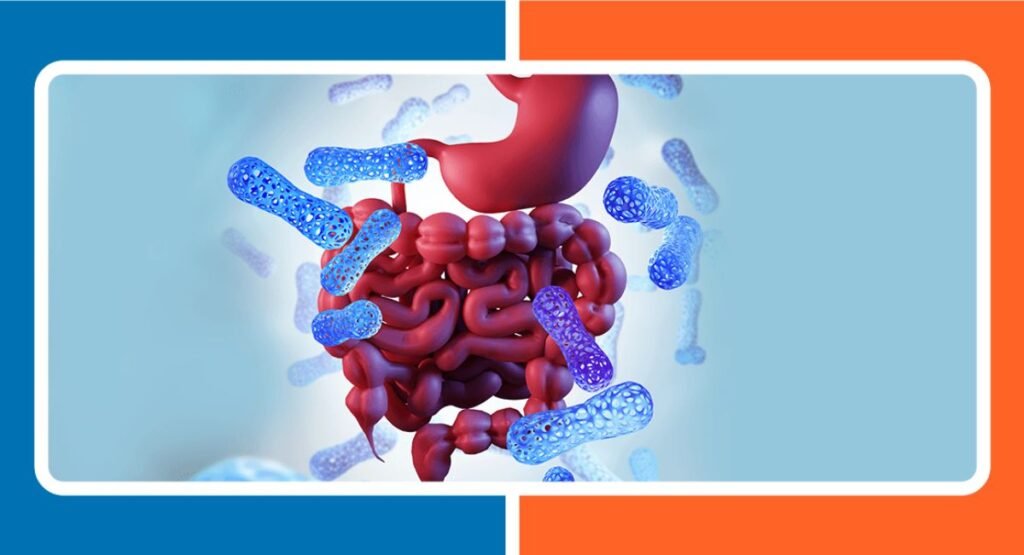
Infections. These can also be responsible for loose stools and lower back pain. Bacterial, viral and parasitic infections can cause abdominal pain and inflammation of the intestines, which occurs as referred pain, which radiates in the lower back.
Because of the proximity of the lower spine, when inflamed, the intestines cause a lot of pressure and irritation that can be spread to surrounding nerves and muscles. This would account for the presence of both diarrhoea and pain in the lower back during food poisoning/ stomach flu.
The symptoms of infection include: fever, nausea and vomiting and abdominal pains. These symptoms should be investigated if they are more than just mild or persistent over several days.
Diarrhoea and lower back pain associated with Irritable Bowel Syndrome [IBS]
IBS is a long-term condition that is often associated with diarrhoea and back pain. [IBS] affects the movement of the muscles of the gut, leading to diarrhoea, abdominal pain and feeling bloated.
The pain that is experienced with IBS can be felt in the lower back because of the connection that exists between the nerves of the intestines and the spinal nerves. During periods of stress, the majority of people with IBS have diarrhoea and lower back pain.
The management of IBS with dietary modifications, relaxation techniques, and medical supervision can effectively lead to remission of symptoms in episodes.
Diarrhoea and Pain in the Lower Back During Menstrual Cycles

Hormone fluctuations during menstruation can result in both diarrhea and lower back pain. During menstruation, prostaglandins, hormones, like chemicals, are released into the uterus, causing it to contract. These same chemicals can also stimulate the intestines, causing diarrhea.
The uterus and lower back both have a common nerve supply, so a resulting indication for the lower back is why the pain and diarrhoea occur in this region during a period. The pain may be dull, spasm or radiate across the lower spine.
Application of heat, adequate hydration and a little gentle stretching usually relieve the pain. If the pain is intense, then speak to your doctor or practice nurse, who will advise you on what treatment is best.
Diarrhoea and pain in the lower back associated with Kidney Infections
In some cases, diarrhoea is accompanied by lower back pain, where the pain is towards the sides of the spine, and there are digestive disturbances. Cases of kidney infections, although less frequent, are also associated with diarrhoea and can be associated with lower back pain.
Fever, chills, pain on passing urine, and dark, smelly urine may occur with kidney-related diarrhoea and lower back pain. If these symptoms are present, seek medical attention straight away.
Distinguishing between muscle pain and organ pain is important in providing care.
Diarrhoea and Pain in the Lower Back from Muscle Strain
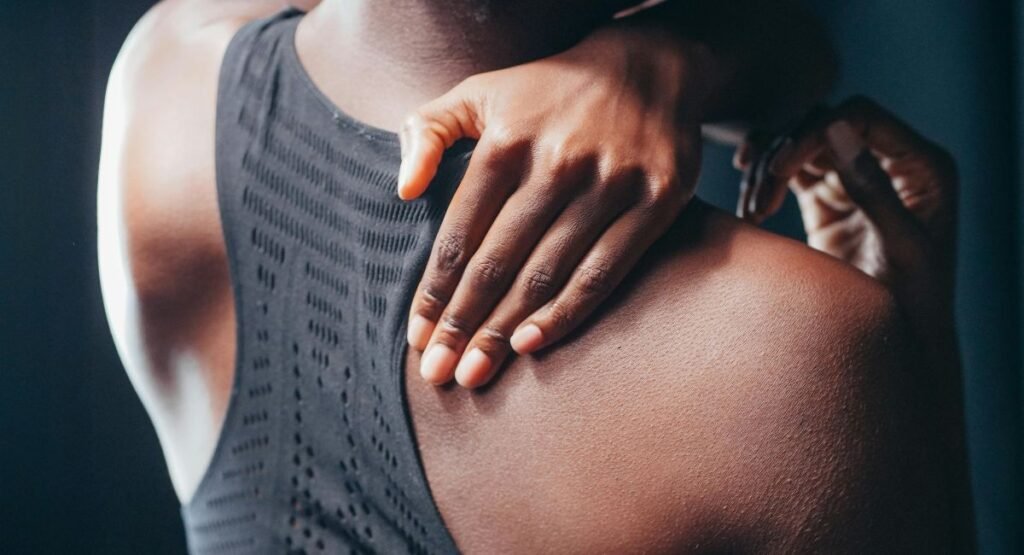
Frequent bathroom visits and stomach cramps put additional pressure on the lower back muscles, which is also a cause of diarrhoea and pain in that area. Being continually bent over and sitting down can be very taxing on the lumbar region, as can the pressure pain caused.
Furthermore, contracting abdominal muscles while passing stool can indirectly cause lower back muscles to tighten, resulting in pain that persists after the passage of stool has been completed.
Gently stretching the muscles, placing the heat on the affected area and keeping the correct posture can all help to relieve the muscle pain.
Diarrhea; Pain in the lower back; inflammatory bowel disease
Chronic diarrhoea and lower back pain can be a feature of Inflammatory Bowel Disease (Crohn‘s disease, ulcerative colitis). Inflammation of the digestive tract can also involve joints and muscles.
Others with IBD get inflammation in the backbones, giving you the pain in the lower back and diarrhea with each flare. This is not something you can treat by yourself; it needs to be looked after by your doctor.
Continuous symptoms, blood in the stool and weight loss should be seen to.
Chronic Diarrhoea and Pain in the Lower Back and When to Seek Medical Advice

Most mild diarrhoea and lower back pain will clear up on their own within a few days. If you develop:
High fever
Intense or increasing sensation or pain
Blood in stool
Symptoms of dehydration
Symptoms exceeding 3 days
These warning signs point to it being a more serious underlying cause of the diarrhoea and lower back pain.
Diarrhoea and Pain in the Lower Back: Home Treatments and Remedies
Managing diarrhoea and pain in the lower back at home often involves supportive care. Focus on:
Consuming significant quantities of water with electrolytes.
Consuming a diet of ‘bland’ food: rice, bananas, toast
Infrared irradiation on the lower back. Rest in a comfortable position to support the body.
Avoid caffeine and dairy, forsake time.
Diarrhoea and low back pain generally tend to subside once digestion has stabilised and hydration is adequate.
Diarrhoea and Pain in the Lower Back Prevention Strategies
An essential part of preventing the pain in the lower back and diarrhoea is good hygiene, not just in terms of personal cleanliness but also in preparing food and eating a healthy, balanced diet. By washing hands regularly and avoiding foods that could be contaminated, the risk of infection is decreased.
Drink plenty of fluids, learn to relax and work your abdominal muscles are all proven ways to help relieve persistent diarrhoea and lower back pain. A few small lifestyle tweaks can dramatically decrease your chance of having this combination of troublesome symptoms.
Question FAQs About Diarrhoea and Pain in the Lower Back
- Is it true that diarrhoea can cause pain in the lower back?
Yes, areas of inflammation, dehydration and forceful muscle strain can combine to cause diarrhoea and pain in the lower back. - Can diarrhoea and pain in the lower back be a sign of infection?
Possible, especially if there is also fever and/or severe abdominal pain. - How long does diarrhoea and pain in the lower back last?
Lower, mild diarrhoea may last from 1 to 3 days. - Do I need urgent medical assessment for diarrhoea and pain in the lower back?
This is recommended if symptoms are severe, persistent or bloody. - Can stress cause diarrhoea and pain in the lower back?
Yes, the mind and body are linked.
Summary: What Causes Diarrhoea and Low Back Pain?
Diarrhoea and pain in the lower back can be distressing. However, it is often a self-limited condition. Hemodynamic dehydration, infection, hormonal fluctuation or gastrointestinal disorders are common.
Identifying the underlying cause, managing it quickly, hydration, rest, medical treatment or surgery if necessary, and being alert to warning signs and symptoms can help you manage the problem.
Leave a Reply