

Lower back & neck pain is one of the most prevalent complaints today. Our lifestyles take a toll on our spines, subtly applying pressure day after day, working on a PC, studying all day, continuously updating social media pages, till personal time arrives, and it‘s an arm out to hold our phones. If you‘ve experienced stiff mornings, difficulty looking over your shoulder, or a dull ache in your lower back after a whole day, then you are one of the millions affected by lower back and neck pain.
This comprehensive resource examines the causes of lower back and neck pain, how pain manifests, what aggravates it, and the most effective, natural options for managing it.
All about understanding back and Neck pain and why it is so widespread
Lower back pain and neck pain happen because they are the two areas that take the majority of the movement and weight of the body. The lower back has the upper body balanced on it, but has been designed to allow movement, and the neck must hold the head up, which is almost as heavy as a bowling ball. Bad posture, movement, and body muscle imbalance are the causes.
Modern ways of living are a predominant cause of back and neck pain. If you remain seated for extended periods of time, then this will eventually stretch the hip flexors and cause the core muscles to weaken, placing stress on the lumbar region of the spine. Additionally, leaning towards the computer also induces a forced head tilt, which would then strain the muscles of the neck. The effects of stress are another silent cause; when the body becomes tense, the muscles tighten around the upper back, neck, and shoulders.
Eventually, this continues to cause stiffness and soreness in the affected areas, eventually minimizing the range of motion. Neglect in these areas can cause mild soreness to escalate to chronic lower back and neck pain, which could hinder sleep.
Common reasons for lower back and neck pain in everyday routine

There isn‘t one reason behind all that makes your back and neck ache; it‘s usually a combination of postures, movements, and physical aspects. Number one on that postural scale is: Bad posture. Slumping, leaning your neck forward, or lacking a supportive chair pinches the spine.
Muscle strain is also common. Overdoing it, lifting something hard in the wrong way, a forceful twist, or even sleeping in an unnatural position can result in lower back and neck pain. Repetition becomes a problem when you are typing or driving for hours for extended periods of time, a lot of muscle groups are working hard while the rest are going to sleep.
Medicine is another factor to consider. She may have any of the following: herniated discs, arthritis, spinal stenosis, and disc disease degeneration. But we cannot forget the emotional needs either. Anxiety and tension can very easily trigger a tightening of the muscles that occurs unconsciously; this tightening commonly occurs in the neck and shoulders.
Symptoms That Signal Lower Back and Neck Pain
The sensations of back and neck pain can vary. For some, there is a dull, nagging ache that remains ever-present. Some people experience stabbing, sharp pains in the back and neck muscles when moving around. Stiffness is also experienced and is often worse in the morning and after prolonged sitting.
Extra symptoms of neck and lower back pain include less movement, muscle spasms, headaches caused by the neck, and pain radiated into the shoulder, the arm, the hips, or the legs. The presence of a tingling or numbing sensation should never be ignored, as this can indicate nerve damage.
The intensity of pain can vary during a day. It can increase due to long periods of sitting, poor body positioning, emotional stress, or activity. It is important to recognize these variations to establish the cause and time of the pain.
How Poor Posture Contributes to Lower Back and Neck Pain

Posture is something that directly affects lower back and neck pain, but isn‘t paid much attention to. When the spine is out of alignment, muscles work harder to support it. This causes the muscles to tire and, over time, ache. Forward Head Posture is even worse as it increases cervical load exponentially (an extra inch of fascia adds 10 pounds).
Slumping inward compresses the lower back, reducing blood circulation and increasing disc pressure. Poor postural habits imprinted into muscle memory make pain a “norm.” Fortunately, postural lower back pain and neck pain can be entirely avoidable and retrievable with proper consciousness and discipline.
Even small changes, such as keeping screens at eye level, sitting with knees and feet flat on the floor, and tightening abs, will make a difference.
Lower Back and Neck Pain Caused by Stress and Tension
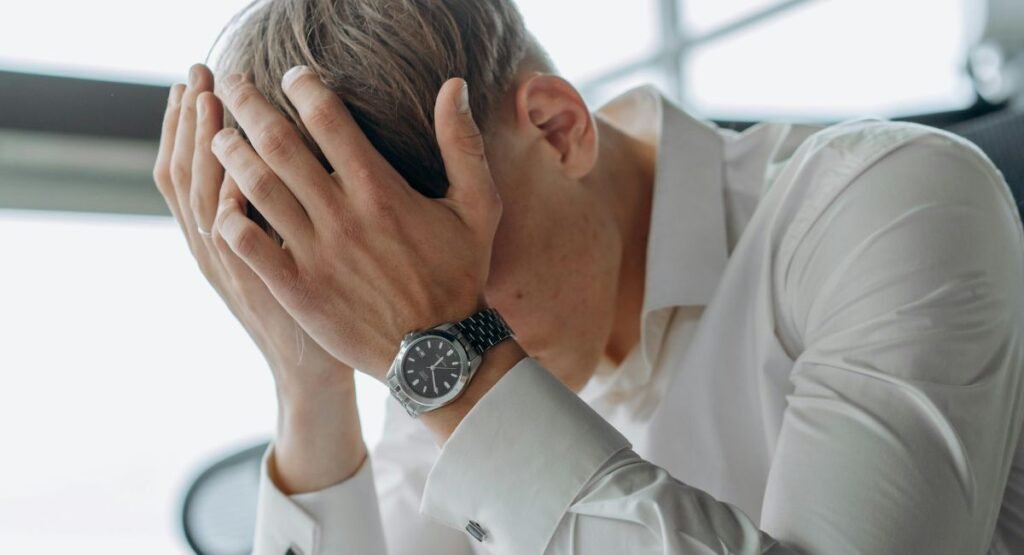
Stress is not a state that lives solely in the mind; it is also there in the body. Stress causes the body to go into a fight or flight state, and the muscles tend to tighten up as a normal response; if kept like that, it causes many weeks of lower back and neck pain.
Chronic stress stops muscles from relaxing completely by constricting blood vessels and limiting oxygen. As they adapt, pain and stiffness build up, as do tension headaches. Around 80% of Americans try to mask the pain without removing the stress, and it all comes back.
Controlling stress (e. g., breathing exercises and meditation, light, gentle movement, and improved sleep) can greatly relieve pain in the lower back and in the neck. Relaxed muscles repair more quickly and will respond more effectively to physical therapies.
Effective Home Remedies for Lower Back and Neck Pain

While not always enough for severe conditions, home remedies can be surprisingly effective for less serious levels of lower back and neck pain. The use of heat relaxes and soothes tense muscles and boosts blood flow, and cold helps numb sharp pains and swelling.
Gently stretch the muscles to maintain flexibility and help avoid the muscles becoming stiff. Regularly performing such basic movements, such as neck rolls, shoulder shrugs, and back stretches, can really help. Over-the-counter painkillers can help in the short term, but should never be a substitute for lifestyle change.
Another effective remedy is to make the work and home environment ergonomic. Comfortable seats, well-positioned desktops, and taking movement breaks can help reduce recurrent lower back and neck pain.
Exercises That Help Relieve Lower Back and Neck Pain
Specific strength exercises also help promote spinal stability by strengthening muscles that support the spine and decrease the weight on the lower back and neck, thus reducing the development of future pain. For example, if the core muscles are strengthened, the front and sides of the body, the back will be able to support your spine. Activities such as bridges and planks before and after a workout, as well as stretching for your neck
Activities such as walking, swimming, yoga, tai chi, or any form of tranquil exercise are the best. Releasing the muscles increases blood flow and stimulates good posture and muscle balance. The same rule applies; daily lightness is much better than periodic heftiness.
Take frequent rests and avoid any activity that increases pain. Hope you are now convinced that if used appropriately, moving regularly is one of the most effective ways of combating lower back and neck pain.
Lower Back and Neck Pain and the Role of Sleep
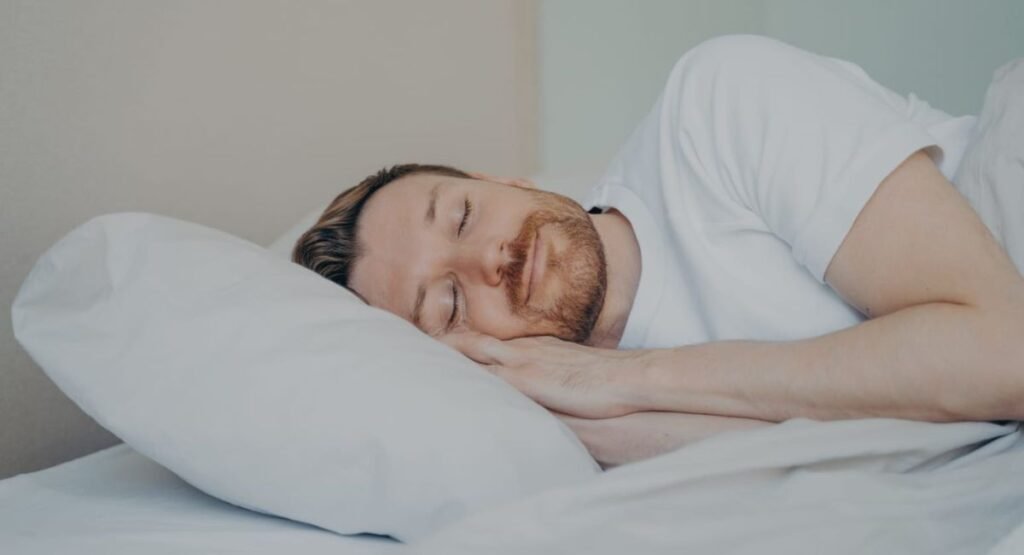
Sleeping position and Mattresses: Both can cause back and neck pain. Using a very soft or firm mattress that gives way too much or not enough leads to mis,, alignment and stiffness of the spine.
Side sleeping, it helps to put a pillow between the knees, and if sleeping on the back, to place a pillow supporting the natural curve of the lower back. A pillow that raises the head to keep the neck aligned with the spine is important to avoid neck pain.
Restorative sleep allows muscles to regenerate and relax. Good sleep hygiene can support significant relief of chronic lumbar and cervical pain.
When to Visit a Doctor for Lower Back & Neck Pain
The majority of lower back and neck pains resolve with self-management; however, certain symptoms merit seeking medical intervention. Pain that lasts for several weeks, debilitating pain that interferes with normal activities, and any numbness, weakness, or problem with control of the bladder should be seen by a doctor.
Depending on the cause, a healthcare professional may suggest physical therapy, test imaging, or some form of specialized treatment. Addressing problems early can save them from becoming chronic.
Preventing Lower Back and Neck Pain in the Long Term
Prevention is always better than cure, especially when it comes to lower back or neck pain. Posture, activity, wellbeing, and strengthening supporting muscles form a good platform.
Breaks from sitting, being conscious of our movement, and tweaking our workspace all matter. Imagine caring for a back like brushing your teeth. Little things done consistently and daily will stop big issues from happening.
FAQs About Lower Back and Neck Pain
- Can sitting in front of my computer all day cause my lower back and neck pain?
Sitting for long periods is the most common cause of stress on your back and neck. Sitting causes weakness and pain. - Is walking good for lower back and neck pain?
Of course. Walking helps improve your circulation to your lower back and neck, improves your posture, and strengthens your muscles. - Can stress really be part of my lower back and neck pain problem?
Yes, stress causes pain because of the tightening of the muscles and a decrease in relaxation over time. - How long does lower back and neck pain last?
Mild to moderate pain, if treated, can last from a few days to several weeks. Chronic pain can last a much longer time. - Should I exercise with lower back and neck pain?
Gentle, pain-free movement is beneficial, but avoid activities that worsen symptoms.
Conclusion: Taking Control of Lower Back and Neck Pain
You don‘t have to live with aches and pains in your lower back or neck. If you identify what causes them and learn what symptoms to look out for in the early stages, you can take steps to relieve the pain and strengthen your spine for years to come. From stress control and a healthy diet to research-backed exercise and good sleeping habits, every little helps.
Consistency is the key. Take gentle care of your spine, and it will be there for you, movement by movement.
Leave a Reply