

Back pain affects millions worldwide and can interfere with your work, sleep, and daily routine. Whether your pain is caused by muscle strain, misalignment, or a long-term condition, there’s no question that you want effective relief. An inexpensive, easy, yet surprisingly useful solution is a heating pad for back pain. Targeted heat delivered to your muscles or joints can help reduce stiffness, encourage blood flow, and soothe your discomfort. In this detailed guide, we’ll cover everything you need to know about heating pads for back pain: types, benefits, tips for use, safety concerns, expert advice, and customer picks for 2026.
- What Are Common Causes of Back Pain?
Back pain can be triggered by sudden movements, repetitive motions, postural issues, or underlying health conditions. Some major culprits include:
Muscle injuries or sprains
Degenerative disc issues
Pinched nerves
Arthritis or spondylitis
Misalignment of the spine or pelvis
Stress or tension in the shoulders and neck
Prolonged sitting or standing
Incorrect lifting techniques
Not all back pain responds equally to treatment. It’s essential to understand your pain’s specific origin and potential severity before opting for a heating pad.
- How Does a Heating Pad for Back Pain Work?
A heating pad for back pain applies moist or dry heat via electric elements, microwavable packs, or infrared technology. The heat penetrates deep into your muscles and tissues, boosting blood circulation and relaxing tight muscles. This can relieve pain and stiffness and promote healing. Compared to pain pills, heat treatments target the issue rather than just mask the symptom.
- What Are the Benefits of Using a Heating Pad for Back Pain?
A heating pad for back pain is a versatile, drug-free tool to soothe and assist your body‘s healing:
Speeds up muscle recovery by dilating blood vessels
Reduces muscle spasms and tension
Eases joints and alleviates stiffness
Can be used in various settings, such as the home, office, and vehicle
Precise application to affected areas without side effects
Works well as a preventative measure for upcoming activities
In many cases, combining a heating pad for back pain with stretching or physical therapy enhances the effects and improves flexibility.
- What are the types of Heating Pads for Back Pain?
You’ll encounter different types of heating pads for back pain, each suitable for different needs and preferences:
Electric, plug-in models with customizable temperature settings
Microwavable, portable, reusable bags filled with rice, flaxseed, or gel
Infrared heats deeper tissues efficiently, often by infrared light or ceramic components
Moist, absorptive tissues that create more penetrative warmth
Disposable, single, use wraps or packs for easy on, the, go relief
Understanding your pain type and lifestyle can help you decide which kind is best.
- How Should I Use a Heating Pad for Back Pain Safely?
While convenient and effective, heating pads for back pain must be used correctly for safety:
Always read and adhere to packaging directions.
Start at the lowest heat setting and increase gradually.
Limit sessions to a maximum of 20 or 30 minutes.
Place a cloth barrier between pads and bare skin.
Never place on skin if numbness or reduced sensation exists.
Consult a healthcare professional if you experience skin irritations or if your back pain persists.
- When Should You Use a Heating Pad for Back Pain?
Frequency and application depend on whether your pain is acute, chronic, or associated with injury:
Acute pain from injury or lift strains can benefit from alternating cold therapy (initially) with heat. Use a heating pad for back pain to relax muscles while resting.
Chronic back issues like arthritis often respond well to regular heat therapy sessions.
Use a heating pad for back pain before stretching exercises for increased suppleness.
- Tips for Choosing the Best Heating Pad for Back Pain?
Consider your individual needs when shopping for a heating pad for back pain:
Evaluate size for target areas: lumbar, upper, or whole back.
Select type based on mobility and control preferences.
Look for safety features such as auto shut-off.
Opt for washable covers for hygiene.
Read customer reviews to gauge real-world experience.
Selecting the right pad ensures soothing relief without frustration.
- The Top 5 Heating Pads for Back Pain in 2026
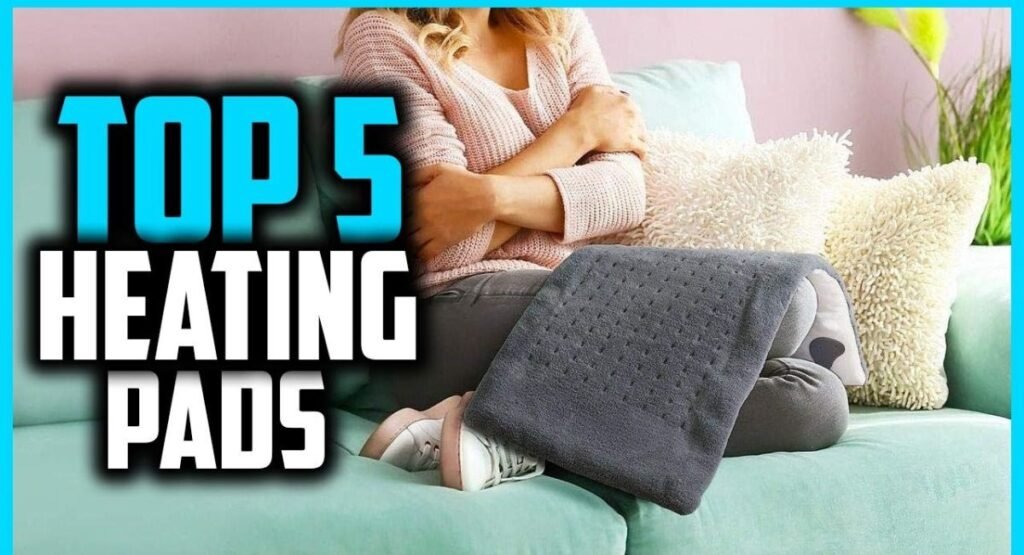
This selection reflects customer favorites, expert suggestions, and high ratings:
Sunbeam XL Heating Pad, highly adjustable, large coverage
PureRelief Wraps are flexible, attachable to larger areas
ThermaCare Reusable Heat Wraps, disposable packs for mobility
Infray Infrared Pain Relief Mat, deep tissue heating
Microwavable Herbal Plus, natural filling, calming scent
Your choice depends on coverage needs, portability, and personal comfort.
- Can I Use a Heating Pad for Back Pain Alongside Other Remedies?
Indeed, combining heat with other therapies enhances results:
Apply heat before physical therapy or exercises
Use heat combined with massage or chiropractic adjustments
Integrate a heating pad into your daily back-strengthening routine
Combine heat with pain medications as recommended by your doctor
Consistent use of a heating pad for back pain can significantly improve long-term back health.
- Is a Heating Pad for Back Pain Safe for Sleeping?
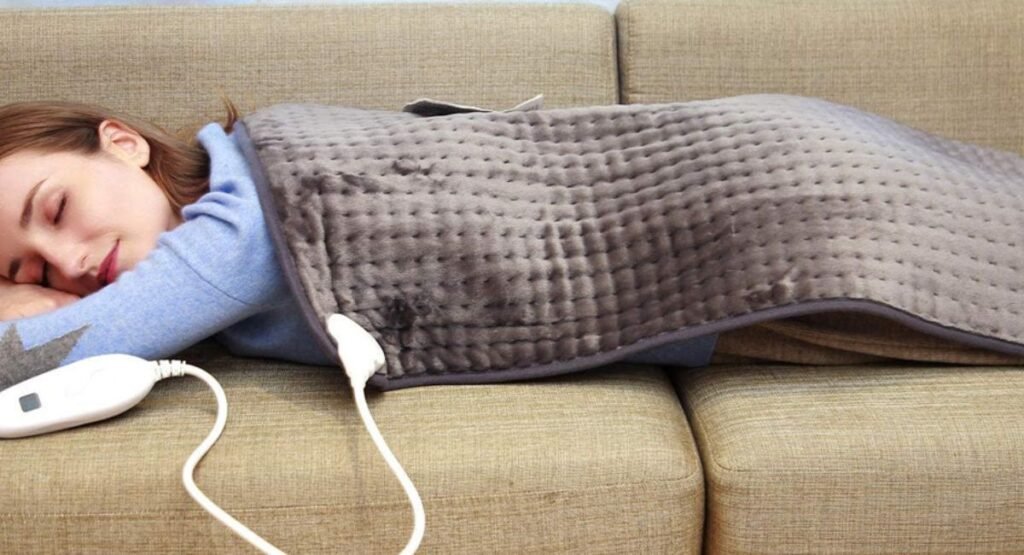
For a sleeping aid, choose a pad with an auto shut-off function. Position under your lower back or between mattress and body for warmth through the night. It improves circulation and keeps muscles loose during sleep.
- Precautions and Considerations When Using a Heating Pad for Back Pain
While effective, overheating or unsafe use of a heating pad for back pain can cause burns:
Never leave it on for more than 30 minutes
Check cords, plugs, and covers regularly
Avoid use in areas with impaired sensation
Avoid sleeping directly on a heating pad
Review with a doctor if experiencing certain medical issues.
- Tips for Seniors Using a Heating Pad for Back Pain

Mature users may find soothing relief with a heating pad for back pain:
Choose easy, to, use models with straightforward controls
Prioritize pads with safety shut, offs
Apply gently and avoid prolonged direct contact
Consult a healthcare provider before use if other conditions exist
Heat can enhance mobility and reduce dependency on medications.
- How Can Office Workers Benefit from a Heating Pad for Back Pain?

Long hours on a computer can strain back muscles. A heating pad for back pain offers quick relief. Small, portable pads can be used during breaks. Regular heat breaks can prevent chronic discomfort and promote healthier posture.
- DIY Alternatives to Commercial Heating Pads for Back Pain?
If a commercial heating pad isn’t available, try:
Hot towels (wrung out of hot water)
Microwaved socks filled with rice or beans
Hot water bottles
While less adjustable, these options provide on-demand comfort.
- The Long-Term Impact of Using a Heating Pad for Back Pain
Consistent usage beyond immediate pain relief can improve your overall back health:
Helps maintain muscle elasticity and flexibility
Reduces the chance of future injuries
May reduce reliance on medications over time
Supports proactive back care and prevents recurrence.
FAQs
Q:1 How often can I use a heating pad for back pain?
A: Use for 15- 30 minute sessions as needed, but no more than 3 or 4 times a day.
Q:2 Will a heating pad for back pain help with numbness?
A: It can ease pressure and pain, but is not a solution for numbness. Seek medical attention if numbness persists.
Q:3 Is electric or microwave better?
A: Electric allows adjustable heat and longer use; microwavables are convenient and portable. Choose based on your lifestyle.
Q:4 Can I sleep with a heating pad for back pain?
A: Only if it has an auto shut-off and is safe to use while sleeping.
Q:5 Is a heating pad for back pain safe for children?
A: Only under adult supervision, and always set to low heat levels.
Wrapping Up
A heating pad for back pain is a cost-effective, widely accessible tool for managing discomfort. When used correctly and chosen carefully, it can provide soothing relief, enhance mobility, and support your long-term back health. Combine it with exercise, stretching, and professional guidance for the best results.
Leave a Reply