

Lower Back Pain in Early Pregnancy: Understanding the Basics
Lower back pain in early pregnancy is one of the most common complaints experienced by women who are pregnant, and many women do not expect it to be so severe or last so long. It is usually experienced within the first three months of pregnancy, and can vary from a vague ache to sharp, unremitting pain, making tasks very difficult. However, unlike ordinary backache, lower back pain in early pregnancy is caused by a specific mixture of hormonal, physical, and emotional factors.
During early pregnancy, the body undergoes rapid changes. Some hormones, like relaxin and progesterone, not only get the uterus ready for implantation and growth, but they also relax the joints and ligaments. This issue can compromise spinal stability and can lead to pain in the lower back area. The first step towards our understanding is to understand how the pain originates.
Lower Back Pain in Early Pregnancy: Common Causes
Many reasons contribute to back pain in early pregnancy and are often indistinguishable. Hormones are one, with the hormone relaxin causing relaxation in the pelvic ligaments. This would also affect posture and the load on the lower back muscles, which can lead to pain. The changes in body posture as the body prepares for the increasing size of the fetus will also contribute.
Weight gain is one of the main factors causing lower back pain in early pregnancy. Slight weight differences in early pregnancy can shift the body‘s center of gravity forward, resulting in the lower back muscles working harder to compensate for the change. Weak core muscles, combined with adopting incorrect postures and being generally inactive, all contribute to increased levels of pain. Cortisol levels as a result of stress and tiredness can also increase muscle tightness.
Knowing the causes, expectant mothers can take precautionary steps as well as arrive at an early relief process.
Lower Back Pain in Early Pregnancy: Symptoms to Watch For
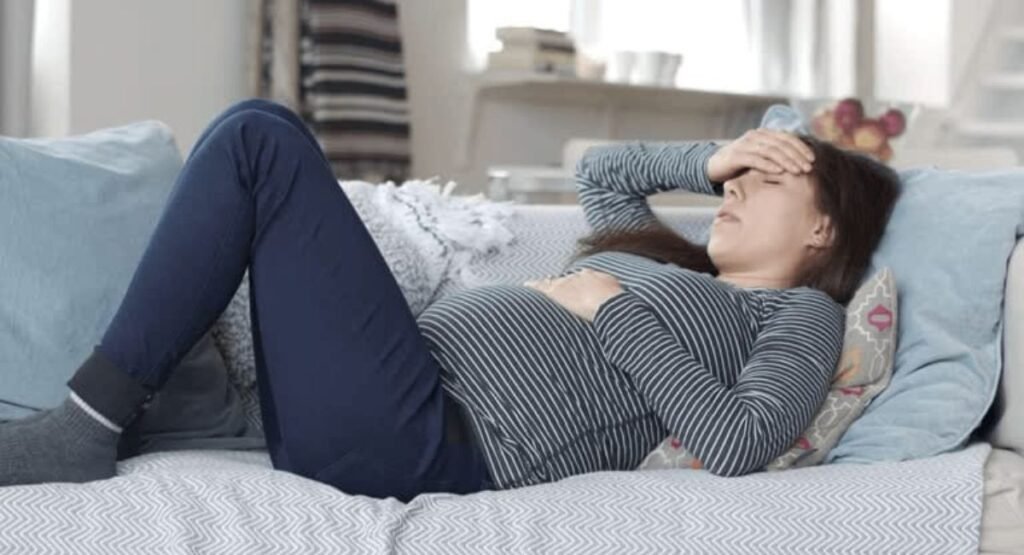
Variations of lower back pain seen in early pregnancy include dull, constant pain that increases with standing or sitting for long periods, sharp stabbing pains that radiate down into the hips or thighs, and cramping with pelvic pressure.
Pain scoring and pattern are important. Acute, severe, and sharp-like pain is unlikely to be associated with pregnancy and should be investigated for other causes, such as renal infection or ectopic pregnancy. Nagging dull pain and pain that is worse with walking, which is common in early pregnancy, is not always as benign as some practitioners believe, and consulting the mother, too, is advisable to ensure safe motherhood.
Lower Back Pain in Early Pregnancy: Hormonal Influences
Hormones trigger the pain experienced in the lower back during early pregnancy. The primary hormonal offender is relaxin. Relaxin causes the ligaments in the pelvis and lower back to loosen in preparation for the birth of the baby. This loosening of the ligaments causes less stability, and the muscles have to work harder to keep their posture. The early weeks are most affected because they are adjusting to all these changes.
The relaxant effects of the hormone, progesterone, can cause smooth muscle relaxation, which, in the early stages of pregnancy, also causes some oedema and minor swelling of tissue, placing further strain on nerves and muscles of the lower back area. Knowing the hormonal factor will enable women to be more realistic about how they manage this type of initial pregnancy pain.
Lower Back Pain in Early Pregnancy: Physical Changes and Posture
The changes that happen in early pregnancy directly contribute to lower back pain. While in the first trimester, small movements such as the uterus getting bigger and alterations in the mass of the body make the body adapt. The back muscles tend to get tired easily because of the weak muscles of the stomach and the core.
Posture problems, e. g., slumping and leaning forward, can worsen the feeling of lower back pain experienced during the first couple of months. Weight may be made more uncomfortable by wearing inappropriate footwear or prolonged standing without a break. By taking care of posture, as well as gently strengthening the muscles, the strain of the body changes can be alleviated.
Lower Back Pain in Early Pregnancy: Lifestyle Factors
Lifestyle is a contributor to early pregnancy lower back pain. An inactive lifestyle, poor posture, and incorrect lifting techniques can contribute to the onset of the pain. Exhaustion and inadequate sleep can affect muscles and contribute to pain as well.
There are also simple modifications, for example, sleeping with a pillow between the knees, not lifting heavy objects, and walking or stretching lightly, each of which can improve upper back pain during early pregnancy. Even nutrition can contribute; good general nutrition, keeping to a healthy weight due to less burden on the spine, as well as calcium and vitamin D to promote the health of the bones and muscles, can have significant positive benefits for upper back pain during early pregnancy.
Lower Back Pain in Early Pregnancy: When to Seek Medical Advice.
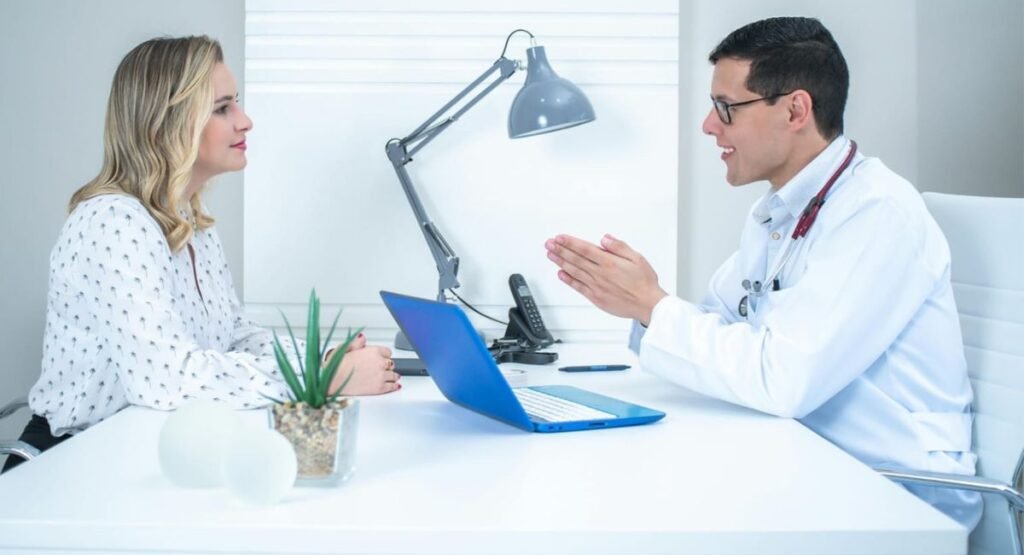
Not all Early pregnancy back pain requires treatment, but some warning signs that must not be ignored. Pain that is severe, sudden, or persistent; is coupled with bleeding, accompanied by a fever, or radiates into the legs, is a cause for concern and needs to be assessed immediately, as it may be a sign of infection, kidney problems, or even pregnancy outside the womb.
Initial prenatal visits are a good time to address lower back pain in early pregnancy. At this visit, the provider can perform a physical exam, recommend safe exercises, or refer the patient to physical therapy. This early management prevents the lower back pain from becoming a chronic problem.
Lower Back Pain in Early Pregnancy: Safe Treatment Options
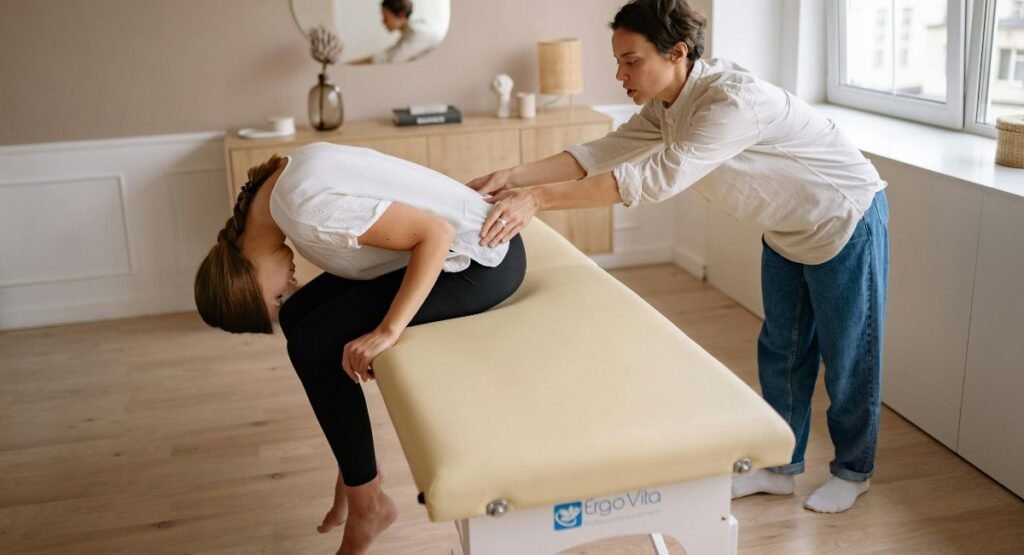
In early pregnancy, treatment of lower back pain should aim to ensure it remains safe for the fetus and the mother, and so non-medical therapies like stretching/yoga and physiotherapy should be considered first-line. A massage involving the warm application of hot packs should also be considered.
Pain killers are not widely permitted in early pregnancy, and medication that is available by prescription and over the counter should be carefully supervised. Hydrotherapy and low-impact exercise, such as running or walking, would ease pain while not putting stress on the lower back.
Using more than one safe intervention is likely to produce the best outcomes and keep the mother mobile and comfortable during early pregnancy.
Lower Back Pain in Early Pregnancy: Exercises and Home Remedies

Specific exercises are frequently successful in alleviating low back pain during early pregnancy. Gentle stretching exercises for the hamstrings, hips, and low back muscles will help facilitate flexibility and lessen tension. Pelvic tilts, cat, cow poses, and prenatal yoga poses all contribute to core strengthening and increased support for the spine.
At home, remedies such as a pregnancy support belt, heat/cold packs, and good postures can also be used. Changes to your lifestyle, such as changing sleeping position, avoiding standing for long periods of time, and using ergonomic chairs, work in conjunction with exercise to provide an effective solution for lower back pain during early pregnancy.
Lower Back Pain in Early Pregnancy: Prevention Tips
Prevention of early pregnancy lower back pain is always better than treatment. Principles of prevention are:
Jumping (sit, stand, and sleep) to keep a good activity
Weakening of core and back muscles, gentle exercise to strengthen soeters (e. g. pelveix exercises)
Not to be too heavy to lift or twist the body ciężarem;
Wearing good, fitting, supportive shoes and maternity support belts
- Coping with stress and getting enough sleep.
Introduction: Developing these habits early means that the pain will be less intense and less frequent in early pregnancy, enabling the woman to be comfortable.
Lower Back Pain in Early Pregnancy: Impact on Daily Life

Lower back pain in early pregnancy can influence day, to, day functioning. Standing for extended periods of time, shopping, or even walking a short distance can become uncomfortable. Problems with sleeping can arise, resulting in tiredness or depression. Knowledge of how lower back pain in early pregnancy can affect mothers enables mothers to schedule the day, take advantage of support devices, and share work tasks.
A lot of disruption may have been caused; however, most women carry on with their usual regime with appropriate management, changes in lifestyle, and safe exercise. However, the woman should be aware of the effect of early pregnancy LBP and prepare accordingly.
Lower Back Pain in Early Pregnancy FAQs
- Is lower back pain in early pregnancy normal?
Yes, it is common due to hormonal changes, changes in a person‘s posture, and initial weight gain. Most cases are mild and manageable. - Can lower back pain in early pregnancy affect the baby?
Generally none. Most pain in the lower back is musculoskeletal and poses no threat to the Baby but if persistent and severe needs to be investigated. - Are exercises safe for lower back pain in early pregnancy?
Yes, mild stretching and prenatal yoga are safe and effective. No high, impact, or strenuous exercise. - How can I sleep better with lower back pain in early pregnancy?
Sleep in a position that supports the lower back, either with a pillow between the knees while sleeping on the side, or with the use of a pregnancy pillow. - When should I see a doctor for lower back pain in early pregnancy?
Seek medical attention in the case of severe pain, abrupt pain, bleeding, fever, or heat radiating to the legs.
Lower Back Pain in Early Pregnancy: Conclusion
First trimester back pain is a very prevalent condition that many expectant mothers will have to deal with. Knowlage about the various factors that facilitate pain such as, hormonal fluctuations, physical modifications and some modifiable behavioral factors helps to control pain and know safe ways of controlling it such as mild exercise programs, attention to body mechanics and rest is what can be done to control pain.
Early treatment of lower back pain experienced early in pregnancy is likely to lead to a healthier, more comfortable pregnancy for women and the first step to well-being for the duration.
Leave a Reply